

Table of contents

Get treated by vein treatment industry leaders
How Is Chronic Venous Insufficiency Related to Varicose Veins?

Medically verified
Last updated on 1/29/2026

By Dr. Michael Nguyen
Vein Doctor at Vein Treatment Clinic
Harvard Medical School
Board Certified by the American Board of Venous and Lymphatic Medicine
Chronic venous insufficiency and varicose veins are closely connected and often represent different stages of the same underlying vein problem.
Many patients first notice varicose veins without realizing they may be a visible sign of impaired circulation beneath the surface.

Understanding how chronic venous insufficiency relates to varicose veins helps clarify why symptoms develop and why treatment often focuses on more than just visible veins.
If you’re unsure whether varicose veins are part of a larger vein condition, a vein evaluation can help clarify the connection.
What is chronic venous insufficiency?
Chronic venous insufficiency occurs when veins in the legs cannot move blood efficiently back toward the heart.
This is usually due to failure of the one-way valves inside the veins, allowing blood to flow backward.
Get the Facts on Chronic Venous Insufficiency. Read the Complete Guide
What causes varicose veins?
VVaricose veins caused by venous insufficiency form when failing valves let blood pool, stretch the vein wall, and make the vein enlarge and show through the skin.
This same valve failure is the core problem in chronic venous insufficiency.
Are varicose veins a sign of venous insufficiency?
Varicose veins are often an outward sign of chronic venous insufficiency.
They indicate increased pressure in the vein system caused by backward blood flow.
Symptom Checker
Can you have chronic venous insufficiency without varicose veins?
Yes. Some patients have significant venous insufficiency with few or no visible varicose veins.
In these cases, symptoms such as swelling, heaviness, or skin changes may appear before veins become prominent.
Can you have varicose veins without chronic venous insufficiency?
Some mild varicose veins may exist without advanced venous insufficiency.
However, many varicose veins are associated with underlying reflux that qualifies as chronic venous insufficiency.
How venous reflux connects both conditions?
Venous reflux is the backward flow of blood caused by valve failure.
Reflux drives both chronic venous insufficiency and the formation of varicose veins.
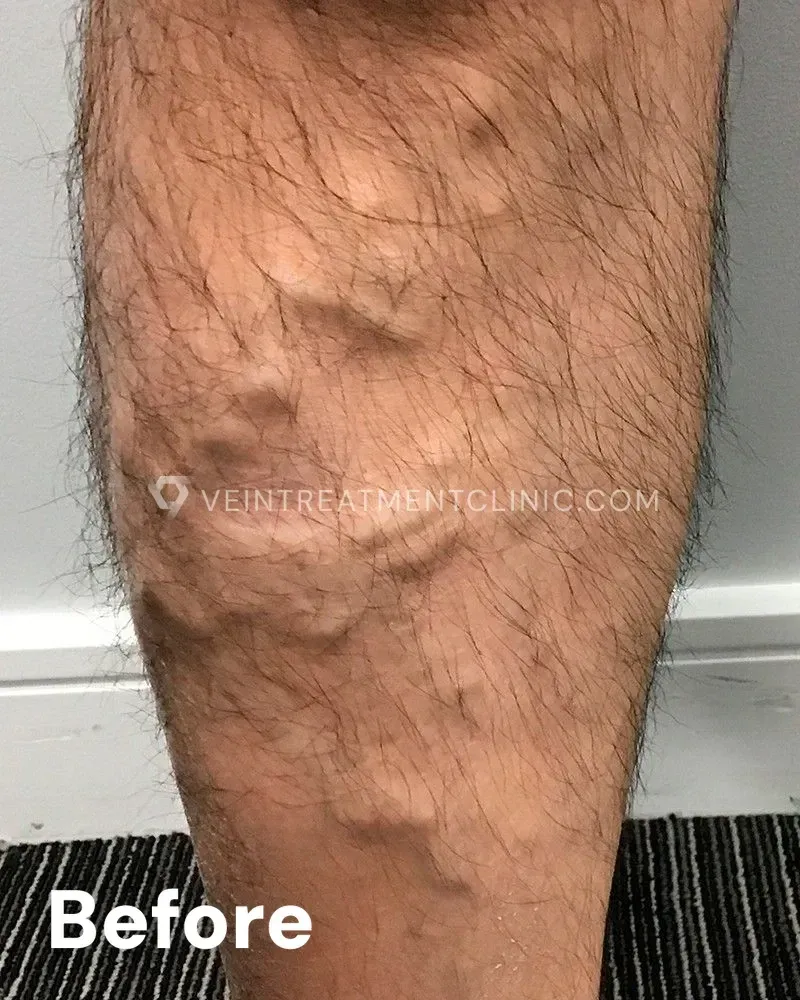
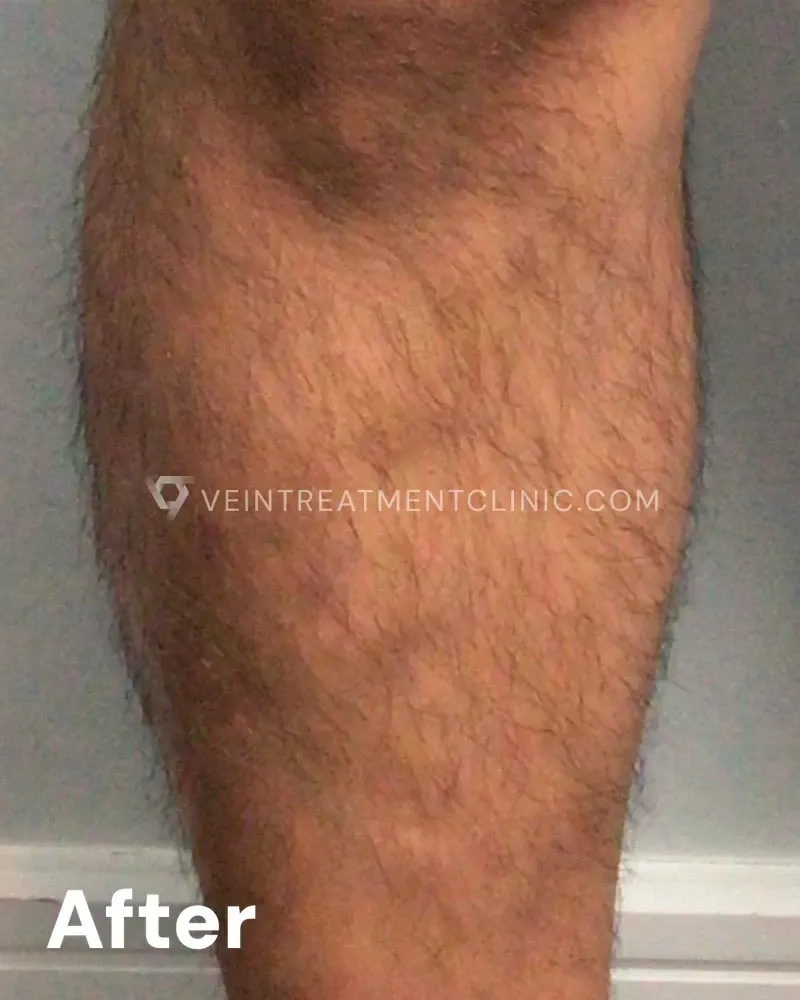
Male, treated for varicose veins on the calves with VeinVanish™, a customized treatment plan tailored to his condition. The after photo shows the treated areas appearing smoother with the varicose veins visibly reduced.
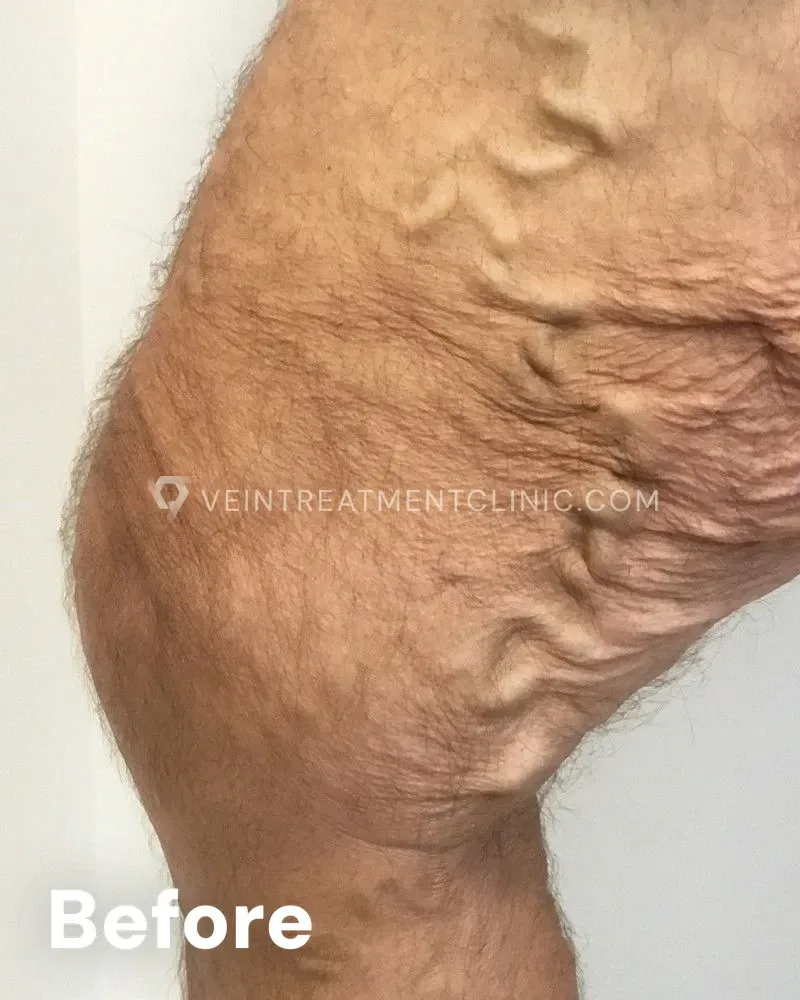
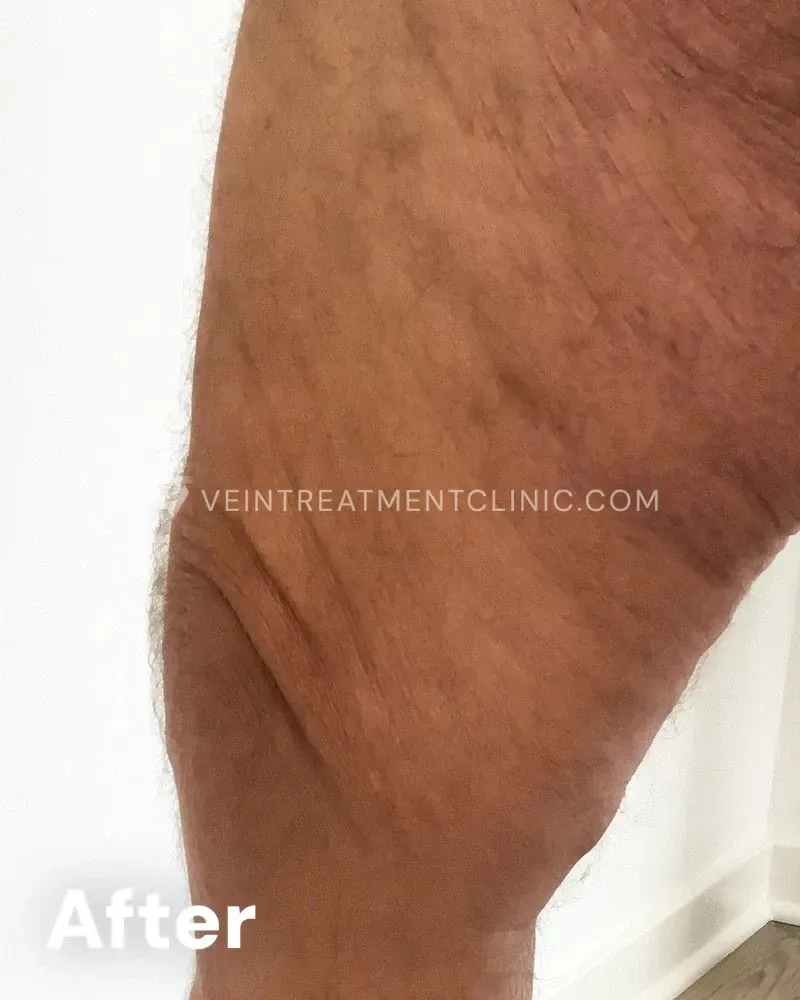
Male, treated for varicose veins on the thighs and knees with VeinVanish™, a customized treatment plan tailored to his condition. The after photo shows the thighs and knees with a smoother-looking appearance.
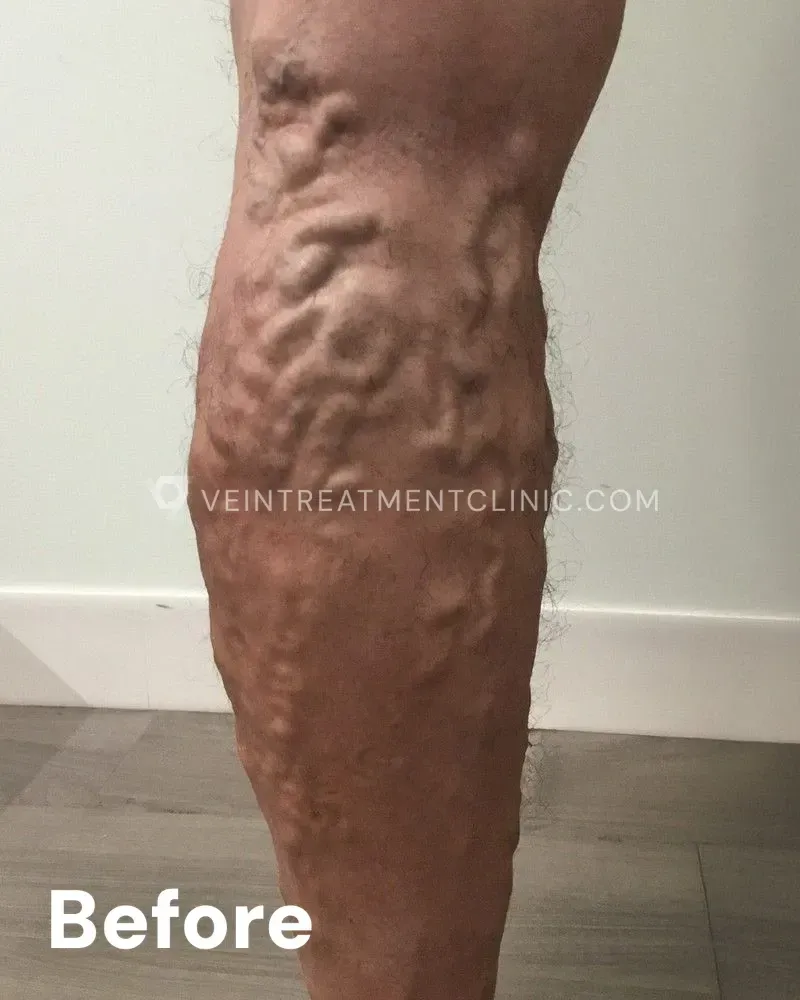
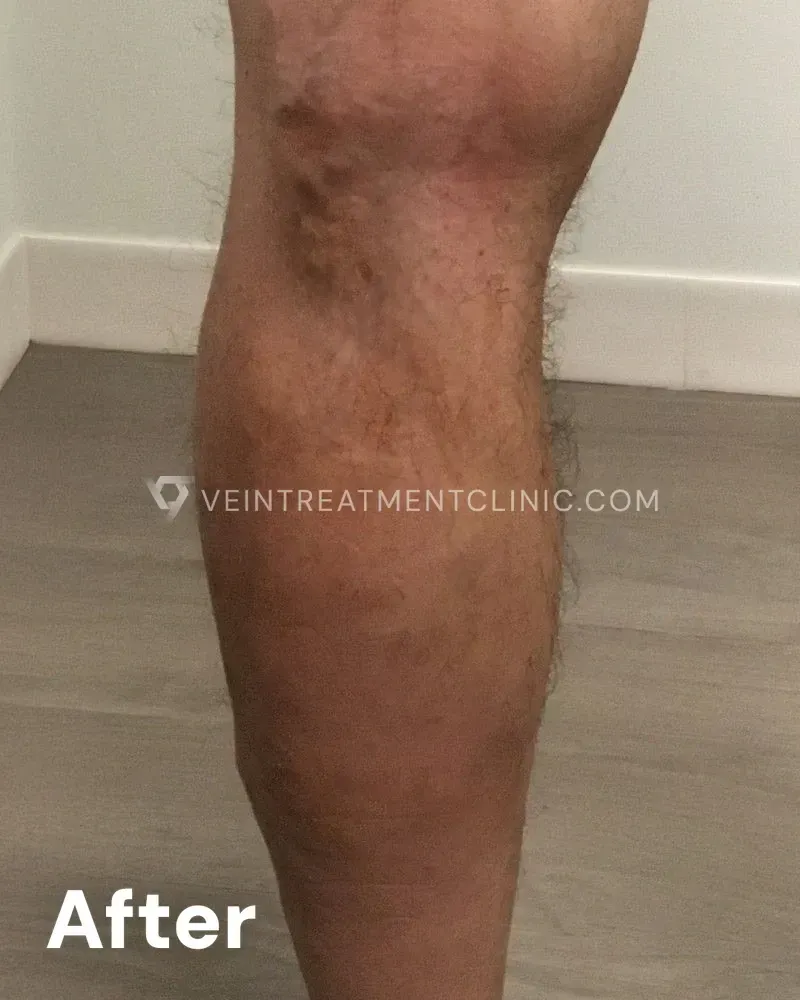
Male, treated for varicose veins on the calves and knees with VeinVanish™, a customized treatment plan tailored to his condition. The after photo shows the affected areas appearing smoother-looking with the varicose veins visibly reduced.
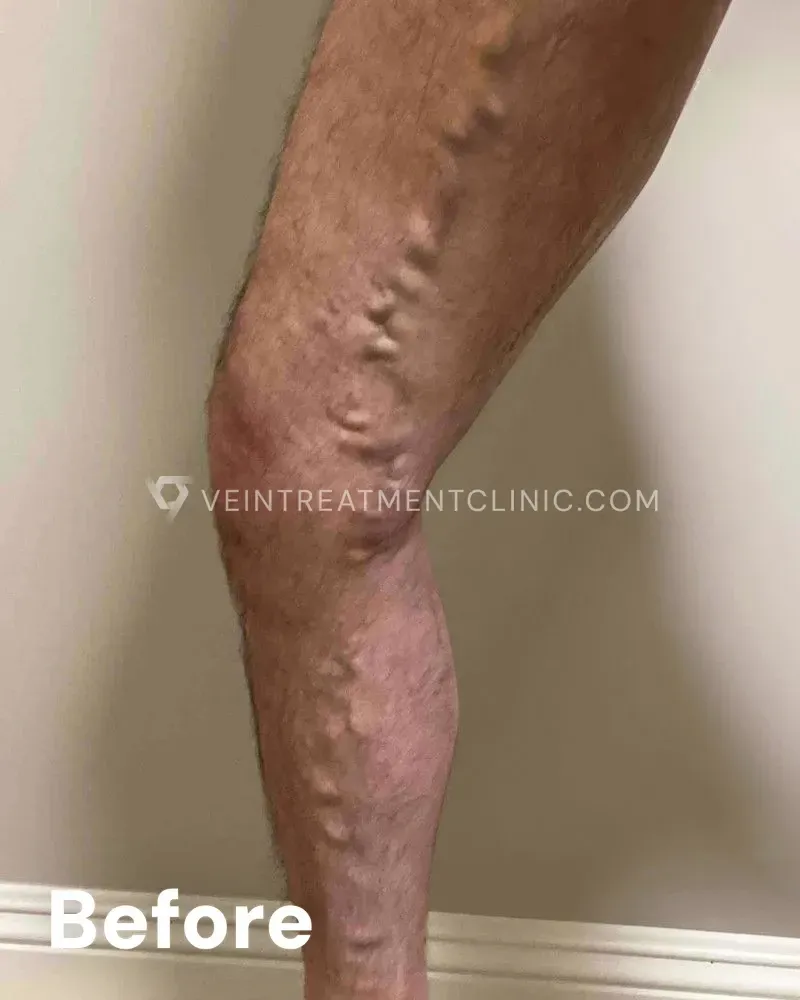
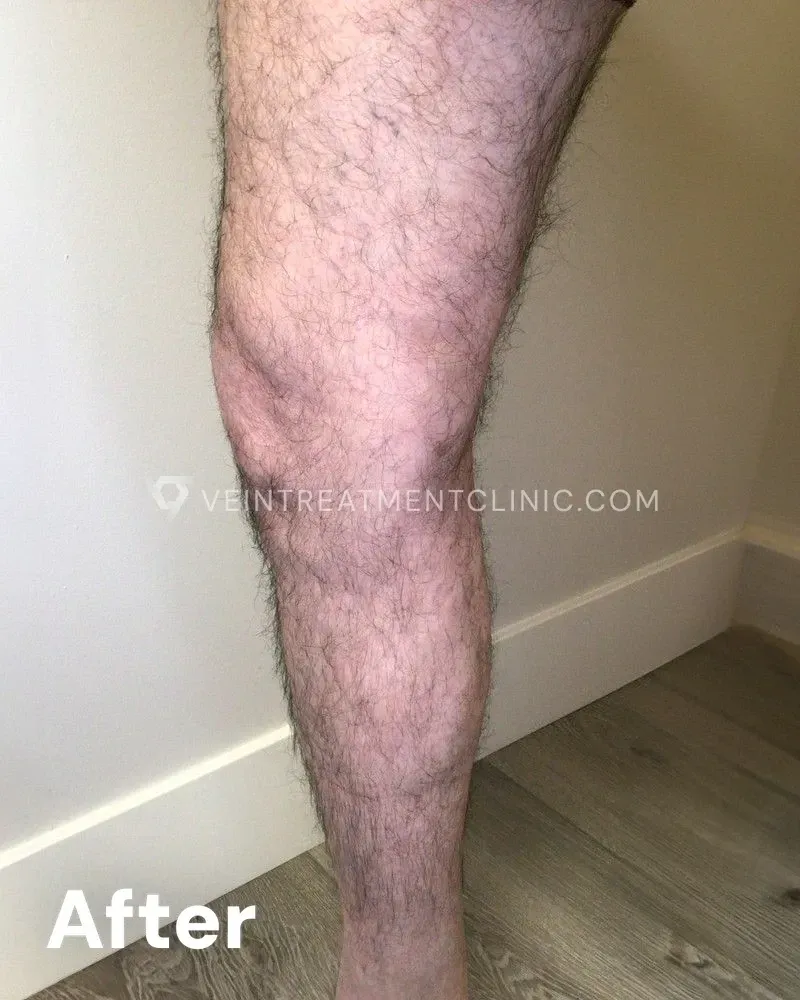
Male, treated for varicose veins on the thighs, calves, and knees with VeinVanish™, a customized treatment plan tailored to his condition. The after photo shows smoother-looking legs with the varicose veins visibly reduced across the treated areas.
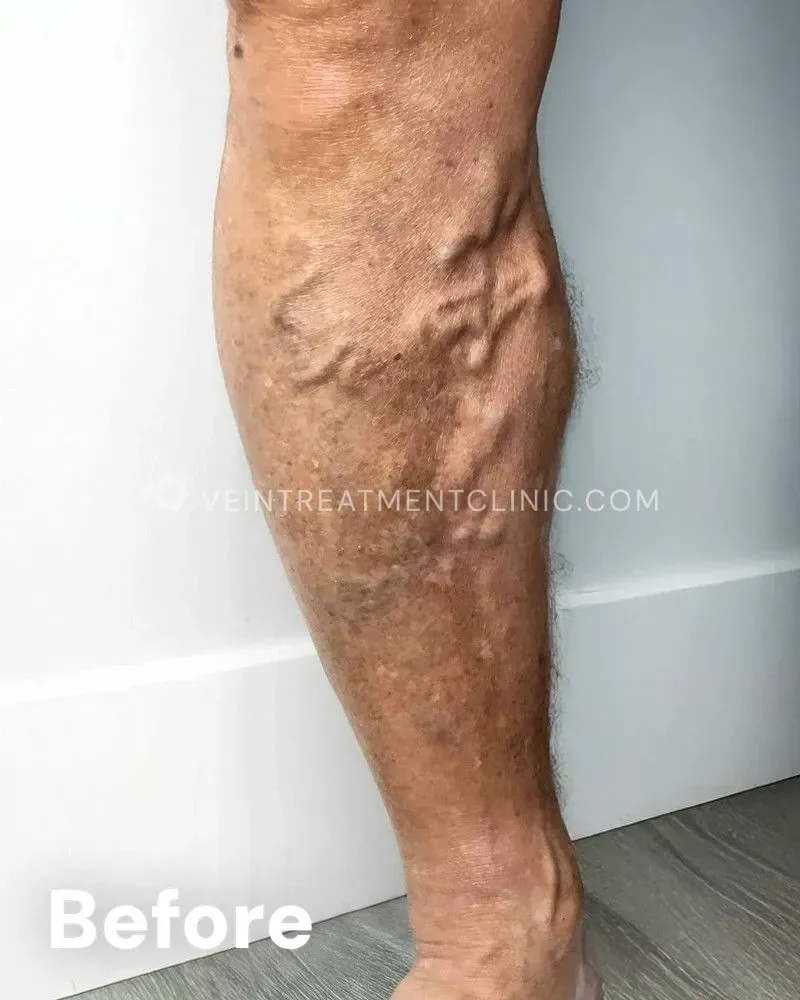
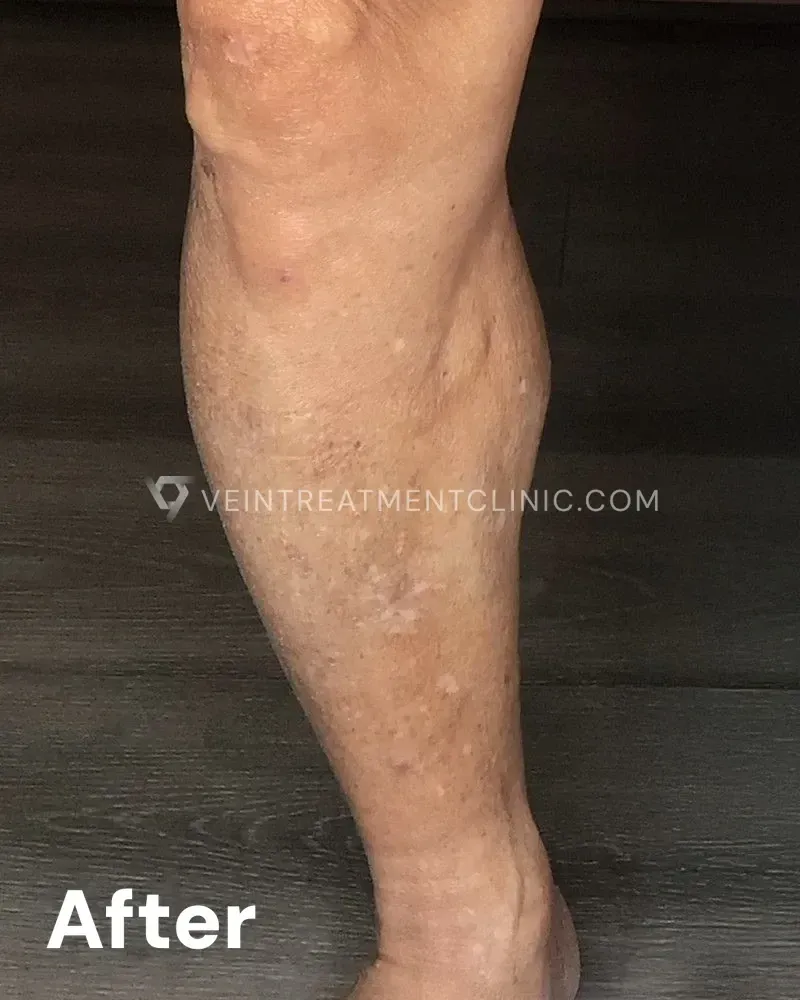
Male, treated for varicose veins on the calves and thighs with VeinVanish™, a customized treatment plan tailored to his condition. The after photo shows the legs appearing smoother-looking with the varicose veins visibly reduced.
Why symptoms worsen as insufficiency progresses?
As venous insufficiency worsens, pressure increases and affects surrounding tissues.
This leads to swelling, pain, skin changes, and in advanced cases, ulcers.
Does This Sound Like You? Check Your Symptoms
How this relationship affects treatment decisions?
Treating only visible varicose veins without addressing underlying insufficiency can lead to recurrence.
Effective treatment focuses on correcting reflux to improve circulation and reduce vein pressure.
How ultrasound clarify the connection?
Vein ultrasound shows how blood flows and identifies which veins are affected by reflux.
This test helps determine whether varicose veins are part of chronic venous insufficiency.
Get a Peek Inside Your Veins—Book Your Ultrasound Evaluation.
Why early evaluation matters?
Early evaluation can identify venous insufficiency before severe symptoms or skin damage occur.
Timely treatment can slow progression and improve long-term outcomes.