

Table of contents

Get treated by vein treatment industry leaders
What Causes Chronic Venous Insufficiency?

Medically verified
Last updated on 1/29/2026

By Dr. Michael Nguyen
Vein Doctor at Vein Treatment Clinic
Harvard Medical School
Board Certified by the American Board of Venous and Lymphatic Medicine
Chronic venous insufficiency develops when the veins in the legs stop working properly and can no longer move blood efficiently back toward the heart. This is often the result of valve dysfunction, which explains why veins stop working in the legs and circulation becomes less effective over time.
In most cases, this happens because the one-way valves inside the veins fail. When these valves weaken or do not close completely, blood flows backward, a condition known as venous reflux. This is one of the main reasons behind what causes venous insufficiency and its progression over time.

Understanding what causes chronic venous insufficiency, and what causes venous insufficiency to progress, helps patients recognize risk factors and why symptoms often worsen over time without treatment.
The causes of chronic venous insufficiency (and related causes of venous insufficiency) usually start with valve problems and rising pressure in the leg veins.
If you’re experiencing leg symptoms and want to understand what may be causing them, a vein evaluation can help clarify the underlying issue.
Failure of vein valves
The most common cause of venous insufficiency is failure of the one-way valves inside the leg veins, which disrupts normal blood flow and leads to increased pressure in the veins.
When these valves do not close properly, blood flows backward and pools in the legs, increasing vein pressure.
When vein valves fail, circulation in the legs becomes inefficient, which explains why many patients describe their symptoms as poor circulation in the lower legs.
Venous reflux and backward blood flow
Venous reflux refers to blood flowing in the wrong direction due to valve failure.
Over time, reflux increases pressure in the veins and damages vein walls and surrounding tissue.
Genetics and inherited vein weakness
Genetics is one of the main risk factors for chronic venous insufficiency and a common contributor to causes of CVI.
People with a family history of vein disease are more likely to develop valve dysfunction and CVI.
Symptom Checker
History of blood clots or vein injury
Prior blood clots, especially deep vein thrombosis, can damage vein valves.
This damage can permanently disrupt blood flow and lead to chronic venous insufficiency.
Aging and loss of vein elasticity
As people age, veins naturally lose elasticity and strength.
Weaker vein walls and valves are more likely to fail over time, increasing the risk of CVI.
Prolonged standing or sitting
Long periods of standing or sitting are also important risk factors for chronic venous insufficiency, as they reduce the muscle pumping action that helps move blood out of the legs.
This increases pressure in the veins and accelerates valve damage.
Does This Sound Like You? Check Your Symptoms
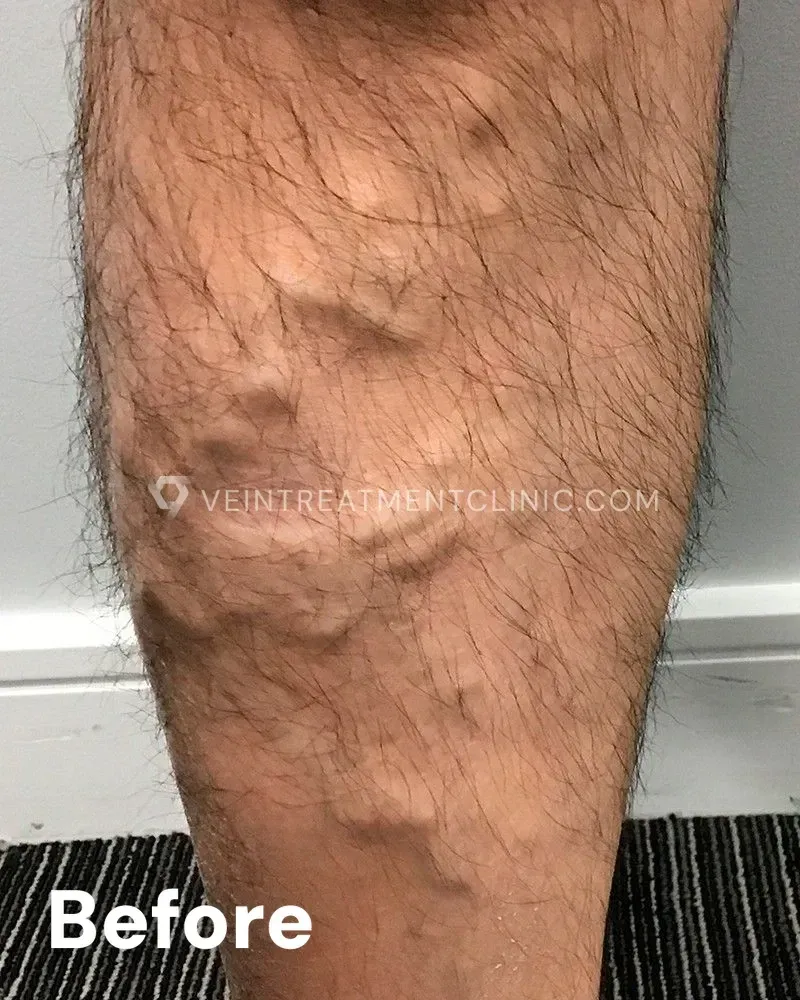
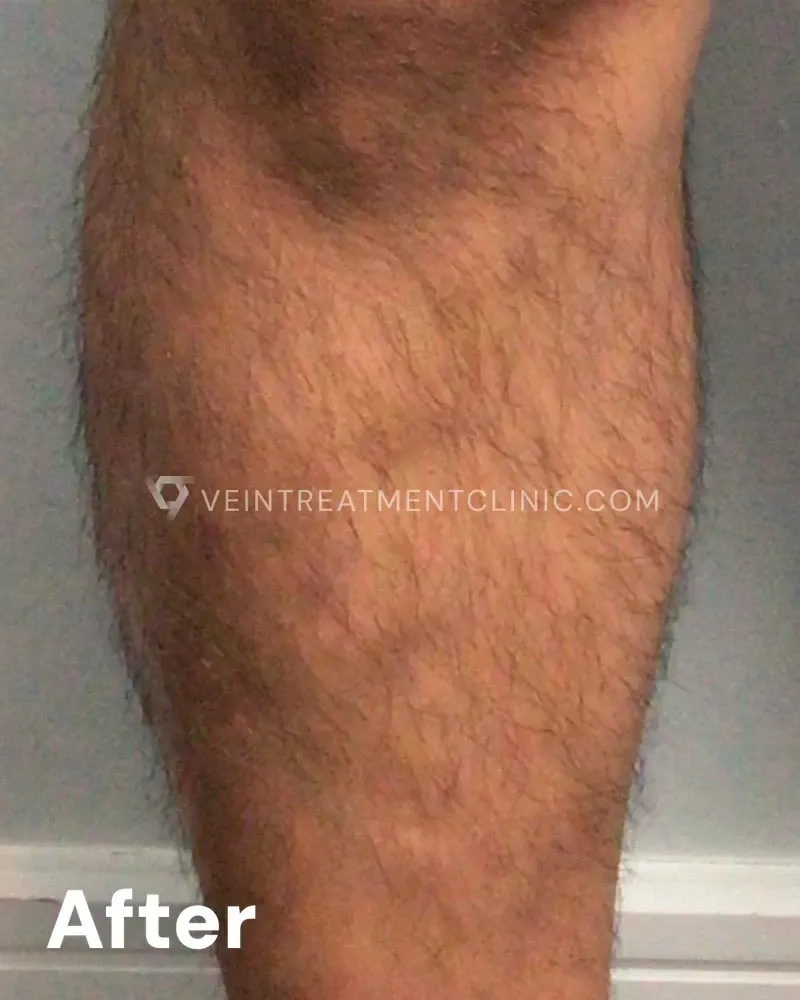
Male, treated for varicose veins on the calves with VeinVanish™, a customized treatment plan tailored to his condition. The after photo shows the treated areas appearing smoother with the varicose veins visibly reduced.
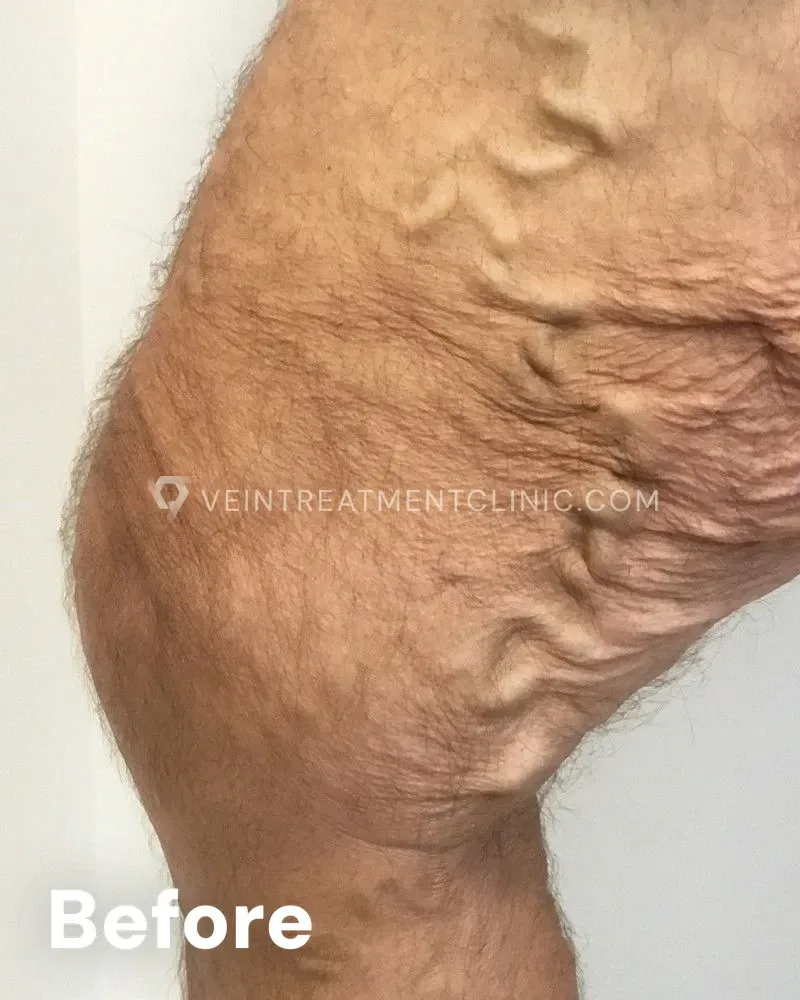
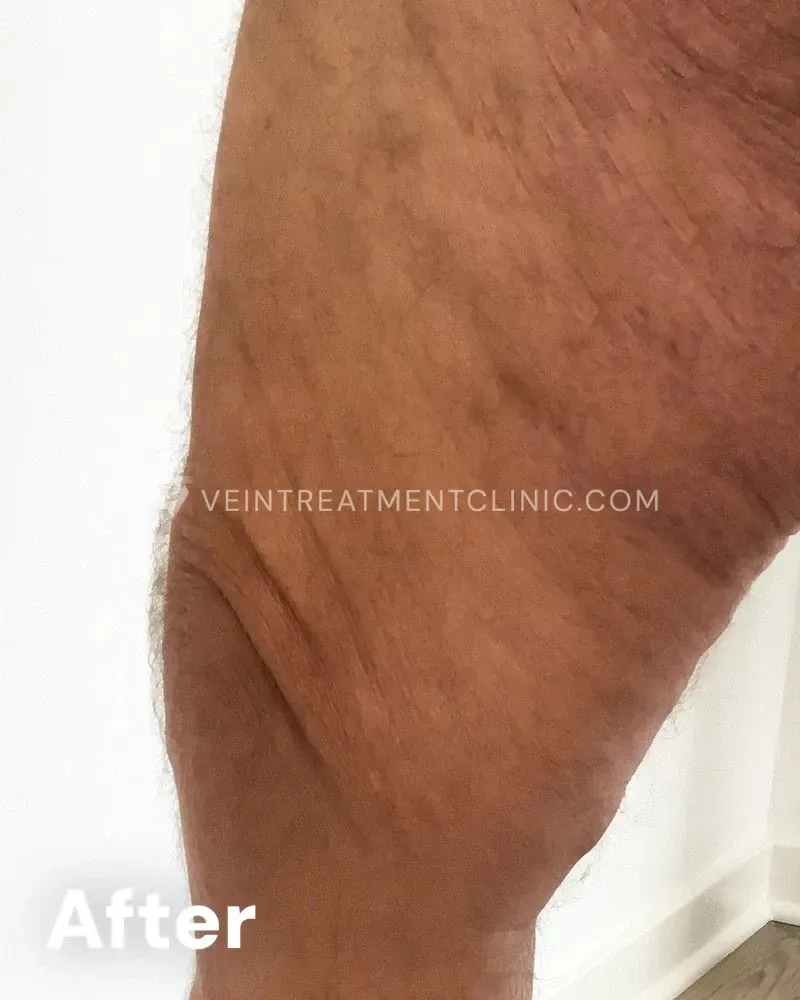
Male, treated for varicose veins on the thighs and knees with VeinVanish™, a customized treatment plan tailored to his condition. The after photo shows the thighs and knees with a smoother-looking appearance.
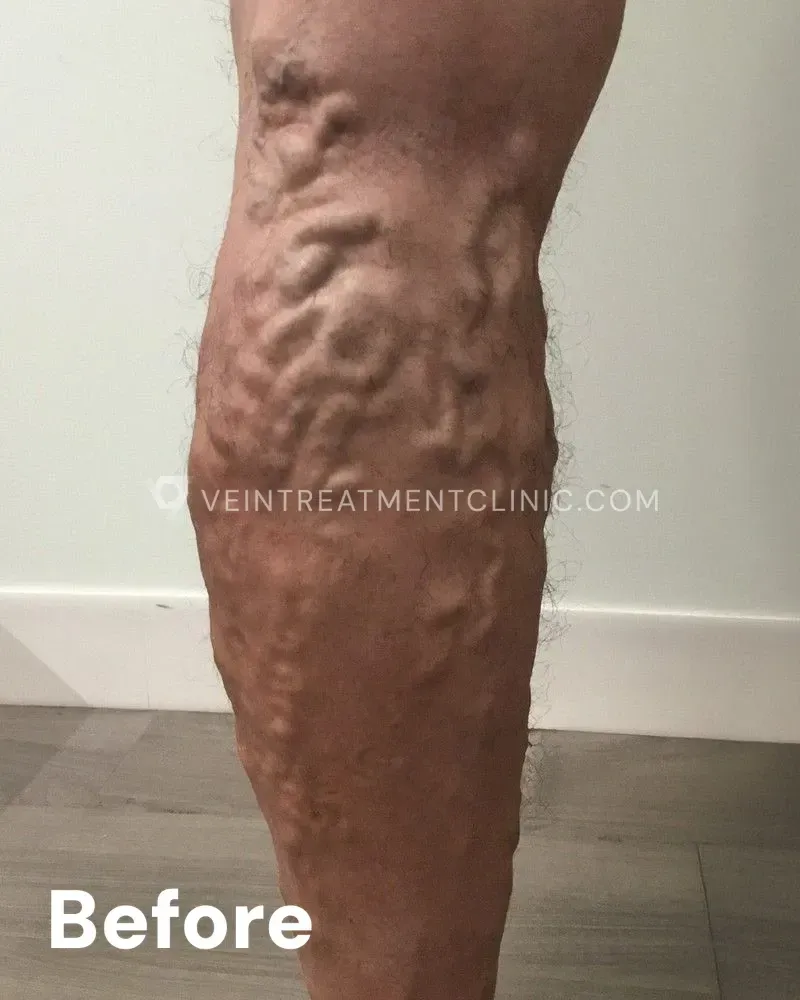
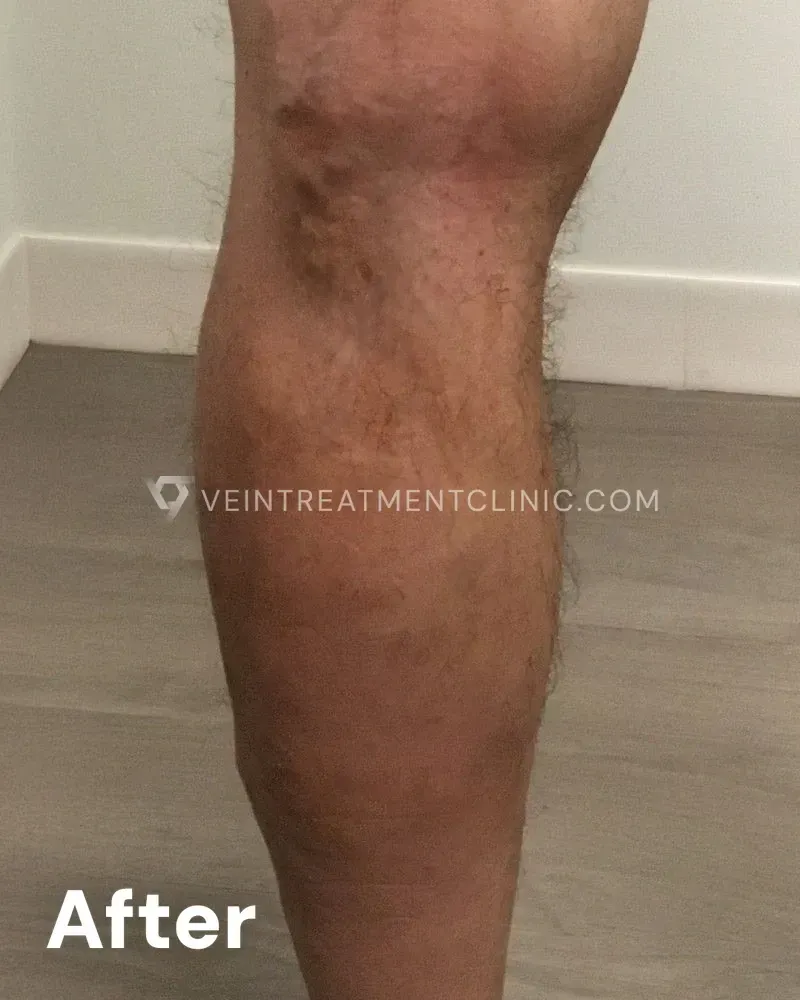
Male, treated for varicose veins on the calves and knees with VeinVanish™, a customized treatment plan tailored to his condition. The after photo shows the affected areas appearing smoother-looking with the varicose veins visibly reduced.
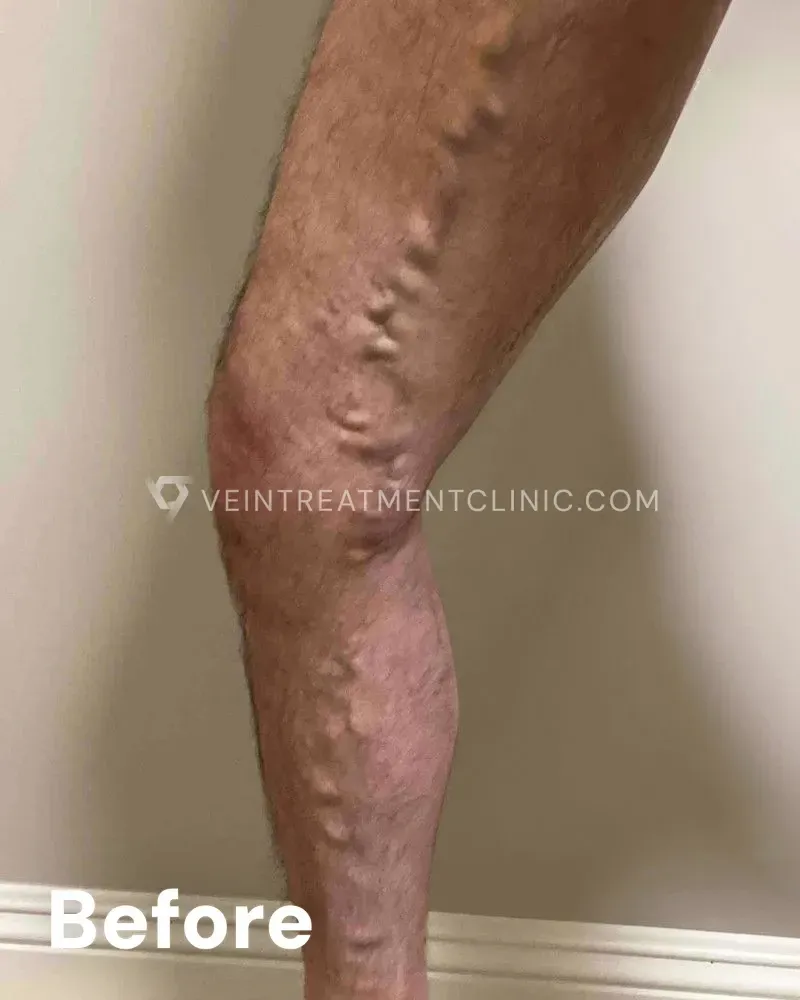
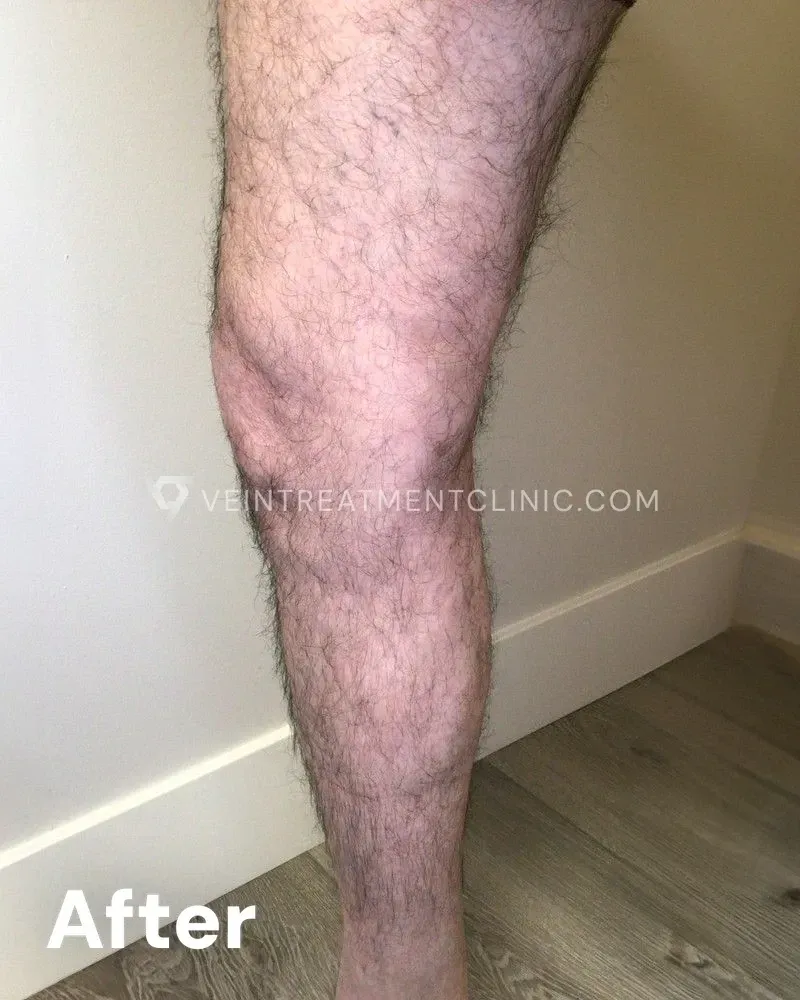
Male, treated for varicose veins on the thighs, calves, and knees with VeinVanish™, a customized treatment plan tailored to his condition. The after photo shows smoother-looking legs with the varicose veins visibly reduced across the treated areas.
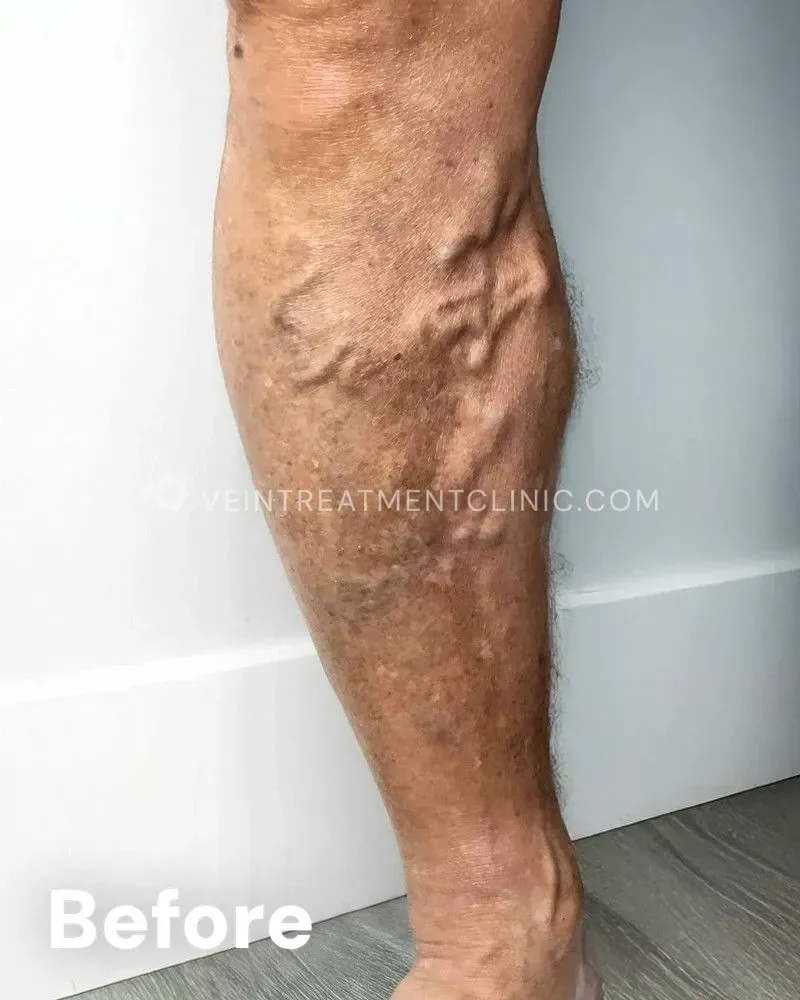
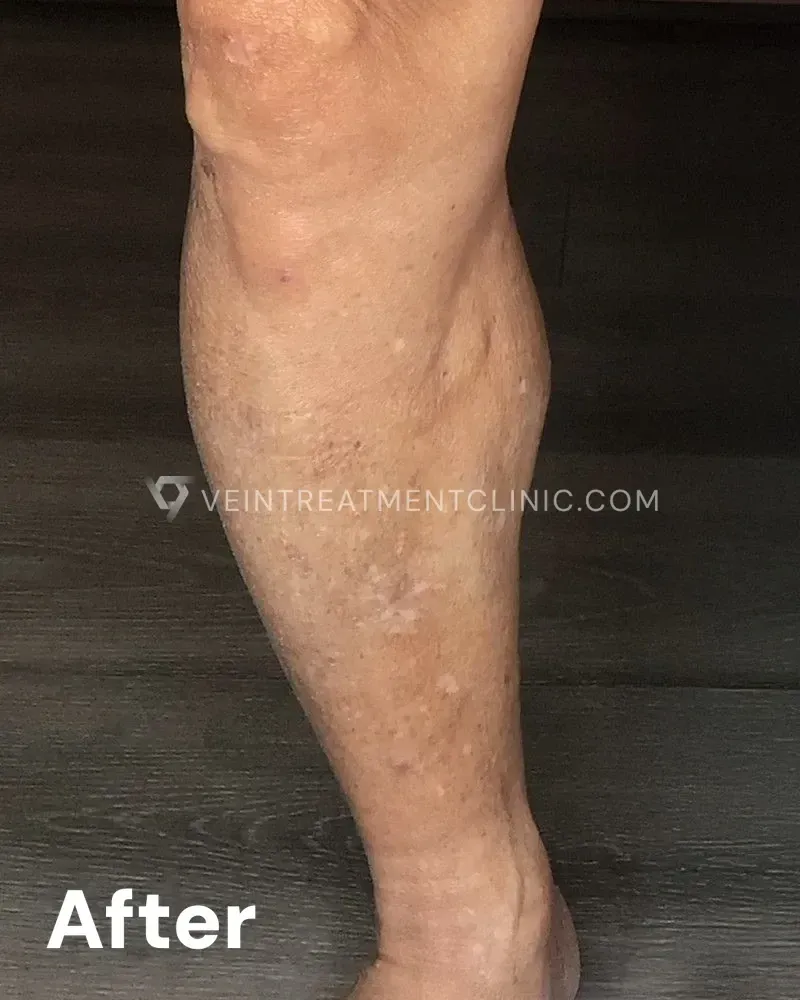
Male, treated for varicose veins on the calves and thighs with VeinVanish™, a customized treatment plan tailored to his condition. The after photo shows the legs appearing smoother-looking with the varicose veins visibly reduced.
Pregnancy and hormonal influences
Pregnancy increases blood volume and pressure in the leg veins while hormones relax vein walls.
These changes can contribute to valve failure and long-term vein problems.
Temporary Change or Lasting Issue? Learn How Pregnancy Affects Your Vein Health
Excess weight and increased vein pressure
Extra body weight increases pressure on the leg veins.
While weight alone does not cause CVI, it can worsen existing vein disease.
Varicose veins as a contributing factor
Varicose veins are often an early sign of chronic venous insufficiency.
As varicose veins worsen, they can contribute to increasing venous pressure and CVI progression.
Get the Facts on Varicose Veins. Read the Complete Guide
Why chronic venous insufficiency often worsens over time?
Valve damage does not repair itself, which is why chronic venous insufficiency tends to progress. This ongoing dysfunction helps explain what causes venous insufficiency to worsen over time.
Without treatment, increasing pressure can lead to swelling, skin changes, and ulcers.