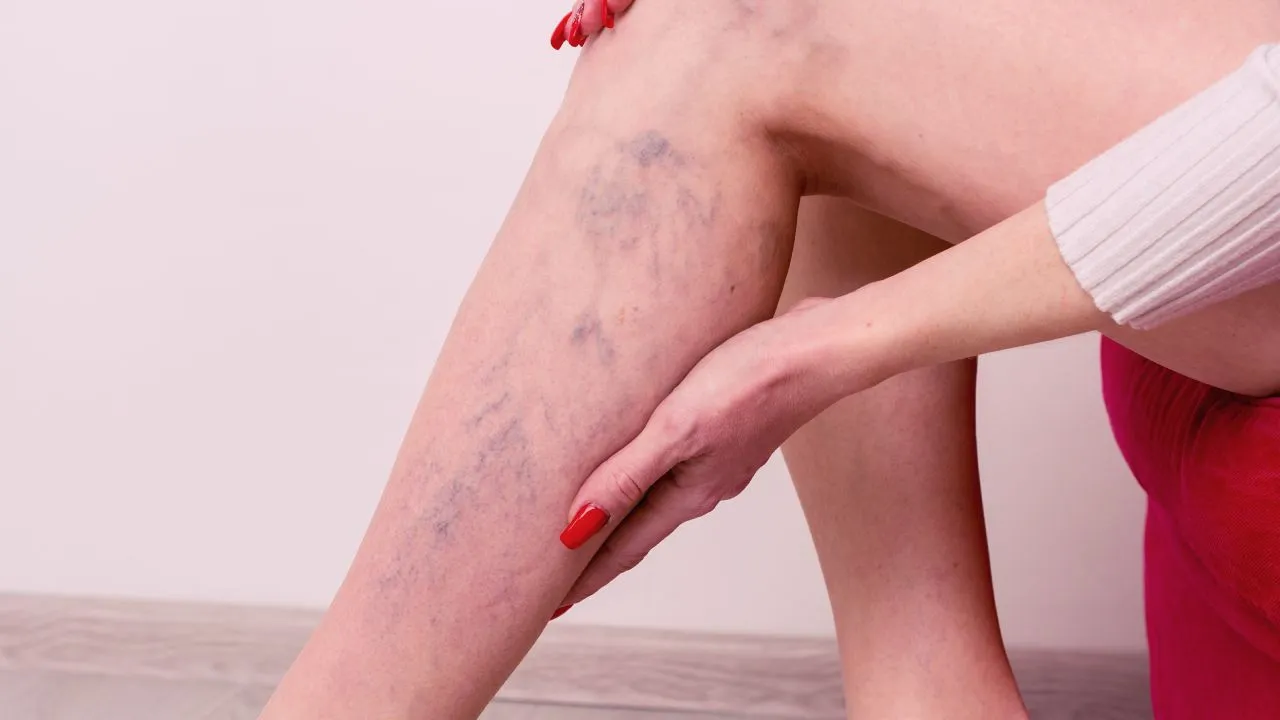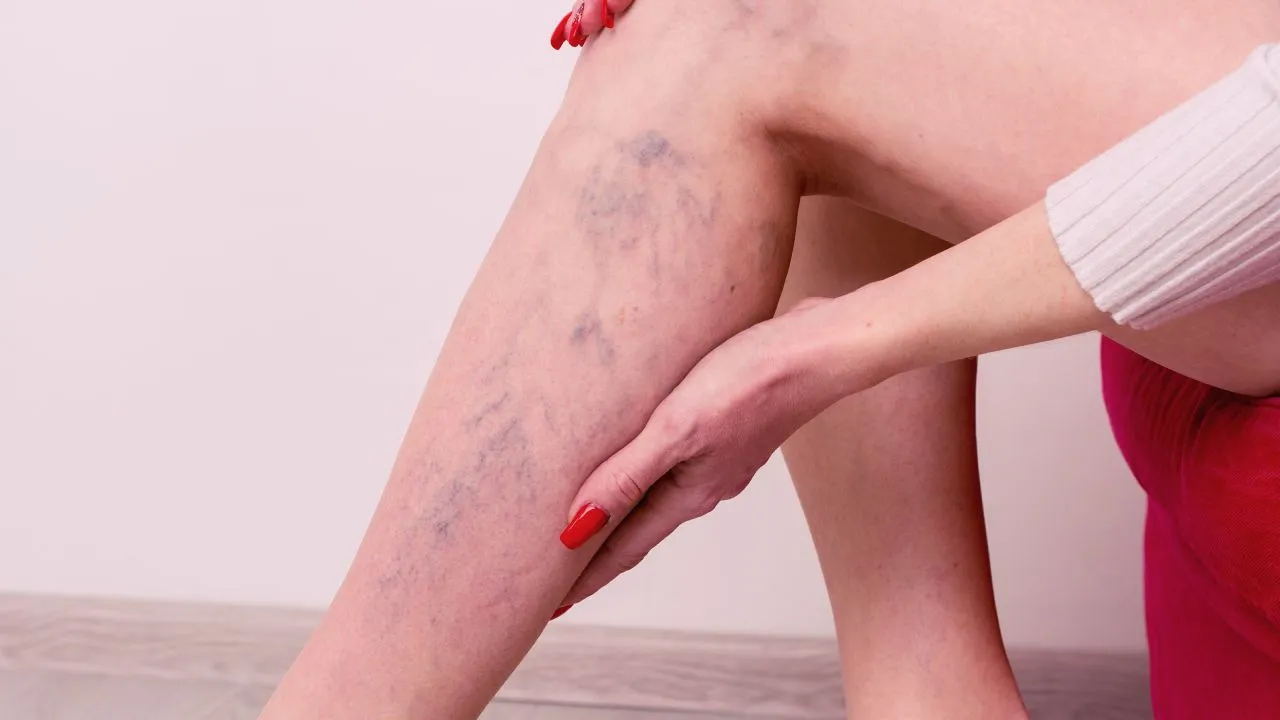

Menopause does not directly cause varicose veins. Hormone changes may affect vein walls, but age, family history, past pregnancies, weight, activity, and long periods of sitting or standing also play a part. New leg symptoms during perimenopause or after menopause deserve an evaluation, not to be brushed off as aging.
Most people reach natural menopause between ages 45 and 55, though timing varies. Perimenopause is the time leading up to menopause, when hormone levels and periods change. These years often bring other changes too, in activity, weight, medicines, and health, that can affect the legs.
How can menopause and hormones affect your veins?
Veins have flexible walls and one-way valves that help blood flow back to the heart. In the legs, calf muscles squeeze the veins during movement. If vein walls stretch or valves weaken, blood can flow backward and collect. This is venous reflux, meaning backward flow through faulty vein valves.
Estrogen and progesterone affect blood vessels and the tissue around them, but the link between menopause and varicose veins is not simple. Some research suggests these hormones may affect how much a vein wall stretches. That does not prove that falling estrogen causes varicose veins.
Pregnancy is different. More blood volume, pressure from the growing uterus, and hormone changes can all lead to varicose and spider veins during pregnancy. Veins that appeared during pregnancy may still matter years later, but menopause does not work the same way as pregnancy.
The bottom line is that hormone changes may be one part of your risk. They are weighed along with your veins, genetics, symptoms, health history, and ultrasound results.
What else changes in midlife that can affect veins?
Varicose veins become more common with age because vein walls and valves can change over time. Age is a risk factor, not a reason to ignore symptoms or skip care. Learn more about the causes of varicose veins and the causes of spider veins.
Other factors include:
- Family history. Genes can affect how your vein walls and valves work.
- Past pregnancies. Several pregnancies, or veins that formed during pregnancy, may raise later risk.
- Weight changes. Extra pressure on leg veins can play a part, but people of any body size can get vein disease.
- Activity changes. Less walking means less help from the calf muscles that push blood up the legs.
- Prolonged sitting or standing. Long periods in one position can increase pressure and symptoms.
- Previous blood clots or vein procedures. These can change blood flow and need a careful check.
- Medications and health conditions. Hormone therapy, heart health, trouble moving around, and other conditions can affect your care.
No single risk factor determines whether you have chronic venous insufficiency. It happens when leg veins cannot move blood back well, and only an evaluation can confirm it.
Which varicose vein symptoms should you watch for after menopause?
Menopause brings many body changes, so it is easy to blame every new symptom on it. Leg symptoms deserve their own check.
Watch for:
- New or enlarging varicose veins
- Aching, throbbing, or leg heaviness
- Swelling near the ankles or lower legs
- Night cramps or restless sensations
- Itching, burning, or tenderness near a vein
- Symptoms that worsen after prolonged standing or sitting
- Skin discoloration, dryness, thickening, or irritation near the ankle
- A slow-healing sore near the ankle
Varicose vein symptoms can look like joint, nerve, muscle, heart, kidney, or medicine-related problems. The cause should never be assumed from your age, sex, or looks.
Seek emergency care for sudden one-sided leg swelling with pain, warmth or redness, chest pain, shortness of breath, coughing blood, fainting, or another severe sudden symptom.
Does hormone therapy affect your veins?
Hormone therapy can help some menopause symptoms, but it is not a varicose vein treatment and should never be used to prevent or treat faulty vein valves. Its benefits and risks depend on the type, how it is taken, the dose, your age, and your health history.
Some forms of estrogen therapy, with or without progestin, are linked to a higher risk of blood clots in deep veins or the lungs. That is a different problem from venous reflux, but clot risk matters when planning any vein care.
Medical groups that guide menopause care note that clot risk varies, and it may differ between pills and other forms such as patches. Do not start, stop, or change hormone therapy because of a blog post. Talk about risks and benefits with the provider who prescribes it.
Tell your vein specialist about hormone therapy, hormonal birth control, previous clots, clotting conditions, smoking, recent major procedures, cancer history, pregnancy, and prolonged immobility. These details help your vein specialist plan safe care.
Many people with varicose veins can still use hormone therapy. The provider who prescribes it should weigh your own risk.
What can you do at home to support vein health?
Daily habits cannot repair a faulty valve, but they may help circulation and ease symptoms:
- Walk and move regularly. Calf-muscle activity helps push blood upward through the leg veins.
- Break up long sitting or standing periods. Change position and take brief movement breaks when possible.
- Elevate your legs while resting. Raising the legs may reduce pressure and swelling for some people.
- Choose sustainable activity. Low-impact exercise helps you stay mobile and supports heart health.
- Eat well. Fiber-rich foods and less salt support digestion and heart health, but no food treats faulty valves.
- Work toward a healthy weight if advised. Weight is one factor among many and should be talked about without shame.
- Use compression only when recommended. Proper fit and pressure matter, especially if you have arterial disease or another circulation problem.
- Support sleep. Menopause symptoms and leg discomfort can both disturb sleep, so mention ongoing sleep problems to your provider.
These steps are for long-term management, not a substitute for diagnosis. If symptoms persist, an evaluation can help identify the cause.
When should you see a vein specialist?
See a vein specialist when symptoms persist, worsen, affect sleep or activity, or occur with bulging veins, swelling, or skin changes. You can also get an evaluation when you are not sure whether a visible vein is harmless.
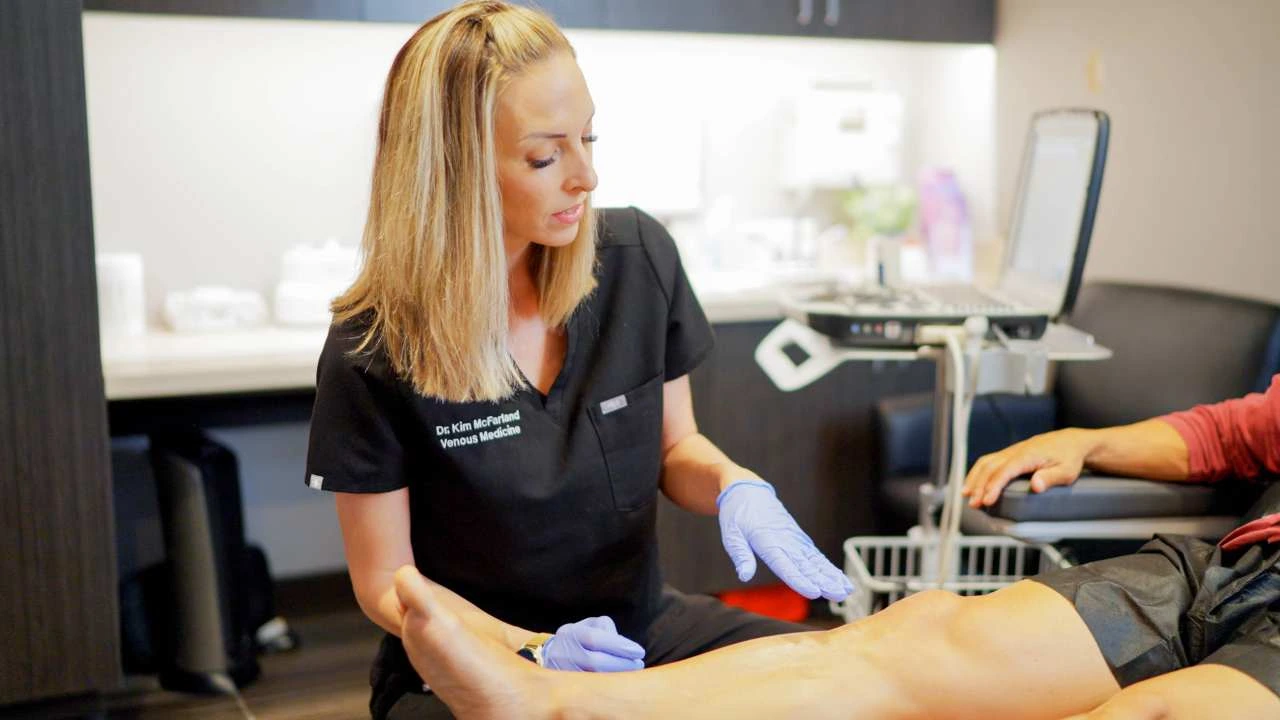
The visit includes a health history and a leg exam. When signs or symptoms point to reflux, your vein specialist may do a duplex ultrasound. This painless test uses sound waves to map the veins, measure blood flow, and show whether valves are working properly.
The ultrasound shows what is happening under the skin. It can show whether a visible vein connects to a larger faulty vein, so treatment is not based on looks alone.
A vein specialist evaluation is also a chance to review hormone therapy, medications, clot history, and other conditions that may affect a treatment plan.
What treatment options are available?
Treatment depends on the evaluation. Some patients do well with movement, leg elevation, or compression. If venous reflux is causing symptoms, a minimally invasive vein treatment may help.
Treatment options for varicose veins include compression therapy, radiofrequency ablation (RFA), endovenous laser treatment (EVLT), sclerotherapy, Varithena®, VenaSeal, ClariVein, and ambulatory phlebectomy. These methods close or treat veins in different ways. Your hormone status alone does not decide the choice.
Your vein specialist will recommend the right treatment for you after your evaluation.
Review general vein treatment options and talk about what applies to you. Most patients return to normal activities quickly after minimally invasive treatment, but recovery steps and risks vary.
Individual results may vary. Outcomes depend on each patient's condition and clinical evaluation.
Get new leg symptoms checked
Menopause is a normal part of life, but ongoing leg symptoms are not something you have to live with quietly. If menopause has brought new leg symptoms, an evaluation can help identify the cause. Start your evaluation.
Frequently Asked Questions
Can perimenopause make leg veins worse?
It may play a part, since hormone changes can affect vein walls, but perimenopause is only one possible factor. Age, genetics, past pregnancies, activity, weight, medicines, and valve function matter too.
Can I have vein treatment while taking hormone therapy?
Often, yes, but your vein specialist must review the medicine, clot risk, health history, and planned treatment. Do not stop hormone therapy unless the provider who prescribes it tells you to.
Is it too late to treat varicose veins after menopause?
No. Age by itself is not a barrier to evaluation. Whether treatment is right for you depends on your symptoms, health, veins, ultrasound results, and your vein specialist's assessment.
Are varicose veins after menopause covered by insurance?
Coverage depends on your plan and medical necessity, not menopause status alone. Most major insurance plans have their own paperwork rules, and our team can help verify your benefits.