
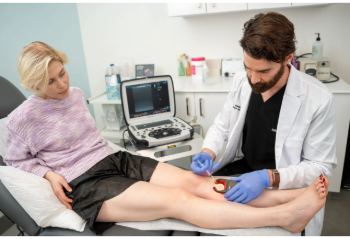
After sclerotherapy, walk as directed, wear compression garments if prescribed, care for the treated skin, and follow your specialist's activity instructions. Avoid strenuous exercise, prolonged heat, and direct sun on treated areas until your vein specialist says it is okay. Your vein specialist's instructions always come first, because the right care depends on the veins treated and your health.
Sclerotherapy is a minimally invasive treatment that uses a medicine to close faulty veins. Your body then sends blood through healthier veins. Most patients return to normal activities quickly, but a few short-term steps help you heal and spot a problem early.
What should you do right after sclerotherapy?
Your care team may ask you to walk before leaving the office. Gentle walking works your calf muscles, which help push blood up through your legs and support circulation. Keep the pace comfortable and follow any limits your specialist gives you.
If compression stockings or wraps are prescribed, make sure they fit as instructed. Compression puts steady pressure on the treated area and may help with swelling and soreness. Wear the garment for the period your specialist recommends rather than following a schedule found online.
Before you leave, confirm when you may shower, how to keep injection sites clean, and when to remove any dressing. Ask when you may return to exercise, heavy lifting, work duties, driving, and travel. Written instructions can make the first few days easier.
Make sure you know how to reach the office if you have a question. Do not wait for your next visit if a symptom gets worse or feels different from what your vein specialist described.
What helps during the first few days?
Simple habits can help you recover. Your instructions may differ, but these are common parts of recovery after vein treatment:
- Walk regularly as directed. Short, easy walks work your calf muscles and support circulation without the strain of hard exercise.
- Use compression only as prescribed. The correct size, pressure, and wearing schedule matter. Contact the office if the garment causes numbness, severe pain, skin color changes, or does not seem to fit right.
- Keep the area clean. Shower and remove dressings according to your instructions. Pat the skin dry instead of rubbing injection sites.
- Elevate your legs while resting. Raising your legs may ease pressure and short-term swelling. Do not stay in one position for long unless your vein specialist tells you to rest.
- Eat and drink normally unless instructed otherwise. Ask your vein specialist about alcohol, smoking, or any food limits that apply to you.
- Keep follow-up visits. Your vein specialist uses these visits to check healing, see how the treated vein is responding, and decide if you need another session.
Take only the medicines your care team has approved. Aspirin, blood thinners, anti-inflammatory medicines, and supplements can affect bruising or bleeding. Never stop a prescribed medicine on your own. Ask the doctor who prescribed it and your vein specialist first.
What should you avoid after sclerotherapy, and why?
Your vein specialist will give you a timeline based on the area treated and your health. For the first few days, or for as long as your specialist advises, you may need to avoid the following:
- Strenuous exercise and heavy lifting. Hard workouts can add pressure and irritation in newly treated areas. Gentle walking is different from running, strength training, or demanding workouts.
- Hot tubs, saunas, steam rooms, hot baths, and hot compresses. Heat widens blood vessels near the skin and may add to swelling or discomfort early on.
- Direct sun and tanning beds on treated skin. Sun exposure can make temporary skin discoloration more noticeable. Ask when sunscreen and normal sun exposure are appropriate.
- Long periods of sitting or standing. Staying still slows the calf-muscle pump. During desk work or travel, take movement breaks as your vein specialist advises.
- Unapproved medicines or supplements. Some products can affect bleeding or bruising, or mix badly with your other medicines.
- Scratching or rubbing injection sites. Mild itching is common, but rubbing may irritate healing skin.
Do not swap your own instructions for a general timeline you find online. The number and size of treated veins, the medicine used, and your health can all change what is right for you.
What is normal after sclerotherapy?
Some short-term changes are expected as the treated vein closes. You may notice bruising, tenderness, mild itching, localized redness, or temporary swelling. Treated veins can look darker or feel firm before they gradually fade.
Temporary brown discoloration can also develop along a treated vein. How long it takes to fade varies. A vein may remain visible for several weeks, and larger veins may take longer to change than small spider veins.
These normal effects should settle and improve over time, not get more and more painful. A photo taken in the same lighting each time can help you describe a change to the office, but it cannot replace an exam.
Sclerotherapy results are gradual. How a vein looks right after treatment does not show the final result. Individual results may vary. Outcomes depend on each patient's condition and clinical evaluation.
When should you call your vein specialist?
Contact your vein specialist if pain or swelling is worsening, an injection site develops a sore, redness spreads, red streaks appear, you have drainage or fever that may mean infection, or the skin changes color in a worrying way. Also call if a compression garment causes severe pain, numbness, or a clear color change.
Your care team would rather hear about an unexpected symptom than have you guess. Tell them when it started, where it is, whether it is changing, and if you notice warmth, redness, or swelling.
Seek emergency care for sudden one-sided leg swelling with pain, warmth or redness, chest pain, shortness of breath, coughing blood, fainting, or another severe sudden symptom.
For broader safety information, review what to know about vein treatment safety, then talk about your own risks with your vein specialist.
When will you see results after sclerotherapy?
The treated vein closes first, and then your body slowly clears it. Small veins may fade over several weeks, while larger veins can take longer. Some areas need more than one session because veins differ in size, depth, and response.
A darker or firmer vein early on is not a sign that the treatment failed. Your vein specialist checks progress over time and may use an exam or ultrasound when needed.
Follow-up timing is set for each patient. Progress is often checked at about 1, 3, 6, and 12 months, but your schedule may differ. Keep the visits your vein specialist recommends, even if you feel well.
New spider veins can also develop later because sclerotherapy treats the veins injected but does not change every cause of vein disease, such as genetics. Learn more about whether spider veins can return.
What does sclerotherapy aftercare look like at a glance?
| Do | Don't |
| Follow your vein specialist's instructions | Replace your instructions with a generic online schedule |
| Walk gently and regularly as directed | Begin strenuous exercise before you are cleared |
| Wear properly fitted compression if prescribed | Change the compression schedule on your own |
| Keep injection sites clean and dry as instructed | Rub, scratch, or soak healing areas |
| Elevate your legs when resting | Sit or stand in one position for long periods |
| Protect treated skin from direct sun | Use tanning beds while the skin is healing |
| Ask before changing medicines or supplements | Stop a prescribed medicine without medical guidance |
| Report worse or unusual symptoms | Wait for a routine visit when a problem is getting worse |
This checklist is a reminder, not a personal care plan. Your vein specialist's directions come first.
Start with instructions designed for you
Good sclerotherapy aftercare comes down to gentle movement, the right compression, careful skin care, and staying in touch with your care team. Questions about your recovery or next session? Start your evaluation.
Frequently asked questions
Can I drive myself home after sclerotherapy?
It depends on your treatment, any medicines given, and your vein specialist's advice. Plan a ride unless the office tells you ahead of time that you can drive, and never drive if medicine, pain, or stiff legs could affect your control of the car.
Can I fly or take a long car ride after sclerotherapy?
Ask your vein specialist before you plan long travel, because timing depends on your health and treatment. If travel is okay, follow their advice about movement breaks, drinking water, compression, and symptoms to watch for.
Can I drink alcohol after sclerotherapy?
Ask your vein specialist, because alcohol may not mix well with some medicines or health conditions. Ask when it is safe for you instead of relying on a general rule.
Will I need more than one sclerotherapy session?
Often, yes, because vein size, number, location, and response vary. Your vein specialist will check your progress before recommending additional spider vein treatment with sclerotherapy.
Does insurance cover sclerotherapy?
Coverage depends on your plan and medical necessity. Most major insurance plans have their own paperwork and approval rules, and our team can help verify your benefits. Review general information about vein treatment cost and insurance.