

Table of contents

Get treated by vein treatment industry leaders
What Happens If Chronic Venous Insufficiency Is Left Untreated?

Medically verified
Last updated on 1/29/2026

By Dr. Michael Nguyen
Vein Doctor at Vein Treatment Clinic
Harvard Medical School
Board Certified by the American Board of Venous and Lymphatic Medicine
Chronic venous insufficiency is a progressive condition that does not resolve on its own.
When vein valves continue to fail and blood pools in the legs, pressure builds over time and affects surrounding tissues.

Understanding what can happen if chronic venous insufficiency is left untreated helps patients recognize why early evaluation and treatment matter.
If you’re living with ongoing leg symptoms and wondering whether treatment is necessary, a vein evaluation can help clarify the risks of waiting.
Complications of venous insufficiency
These can include chronic swelling, stasis dermatitis, thickened skin, open sores near the ankles, and infections that delay healing.
Pain and limited walking may also reduce daily comfort and sleep.
Progressive worsening of symptoms
Without treatment, symptoms such as leg swelling, heaviness, aching, and fatigue often become more frequent and persistent.
Symptoms that once appeared only at the end of the day may begin occurring earlier and last longer.
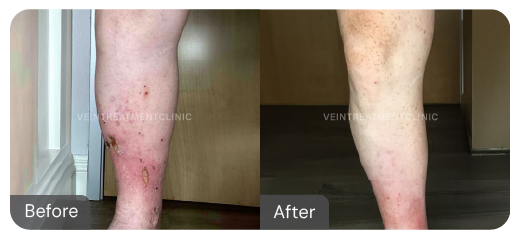
Venous Ulcer before and after treatment pictures.
Results may vary and the results shown are not guaranteed
Venous Ulcer before and after treatment pictures.
Results may vary and the results shown are not guaranteed
Increasing leg swelling
Ongoing venous pressure causes more fluid to leak into surrounding tissues.
This leads to chronic swelling that may become harder to relieve with elevation or compression alone.
Legs Feeling Heavy or Tired? Check Your Symptoms for Vein Disease
Skin discoloration and inflammation
Untreated CVI commonly leads to darkening or discoloration of the skin near the ankles.
This reflects chronic inflammation and leakage of blood components into the skin.
Beyond Looks – See if Your Veins Impact Your Health
Symptom Checker
Skin thickening and tissue damage
Over time, the skin and underlying tissue may become thick, firm, or leathery.
These changes indicate long-standing damage and reduced tissue health.
Venous stasis dermatitis
Chronic inflammation can cause redness, itching, scaling, and irritation of the skin.
This condition can be mistaken for eczema or infection but is driven by venous disease.
Is It Just Dry Skin? See Why Discolored Ankles Signal a Deeper Vein Issue
Development of venous ulcers
In advanced stages, untreated CVI can lead to open sores or ulcers near the ankles.
These ulcers often heal slowly and may recur without addressing the underlying vein problem.
Wounds That Won't Heal? Discover the Link Between Circulation and Skin Ulcers
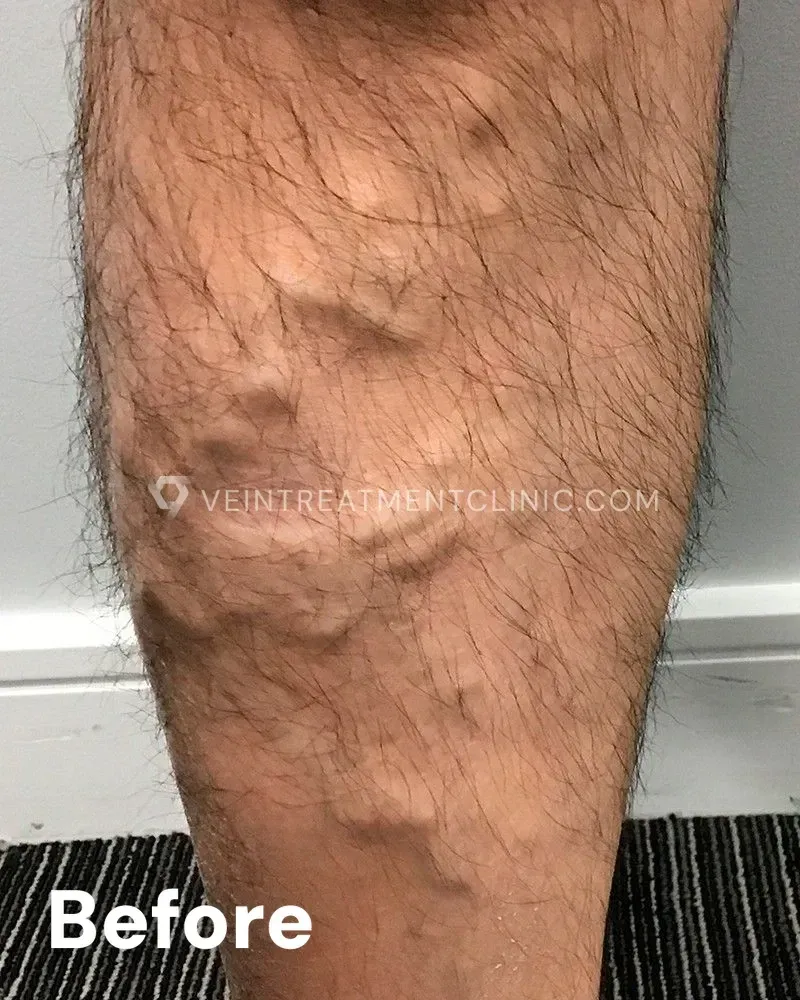
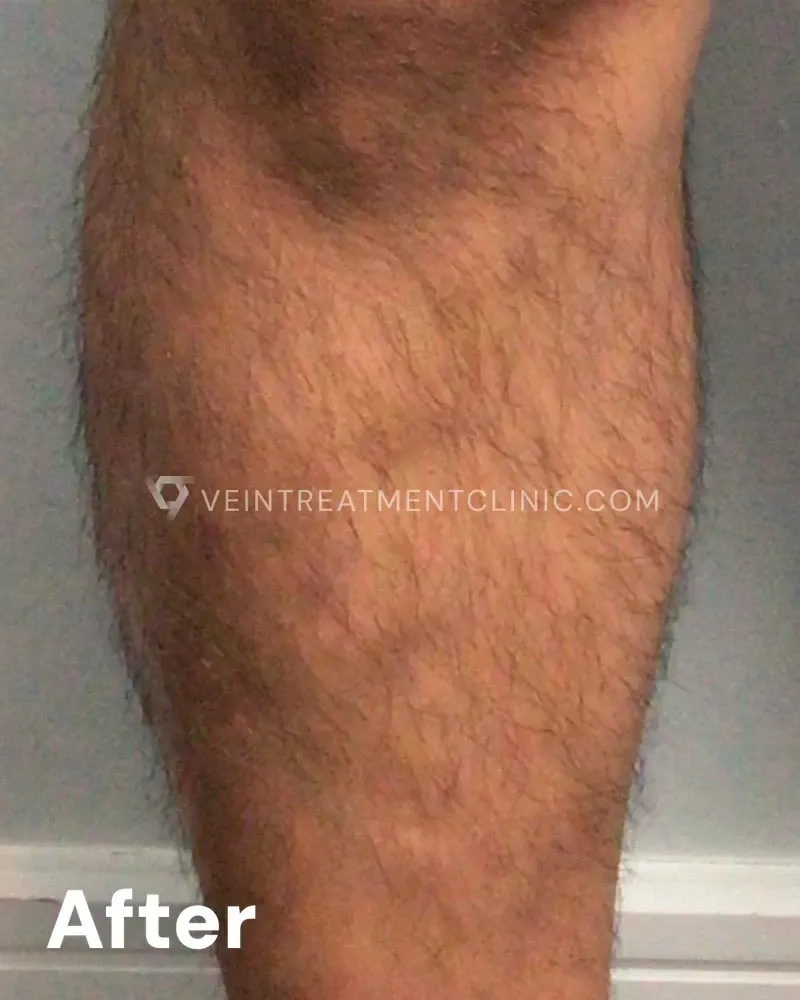
Male, treated for varicose veins on the calves with VeinVanish™, a customized treatment plan tailored to his condition. The after photo shows the treated areas appearing smoother with the varicose veins visibly reduced.
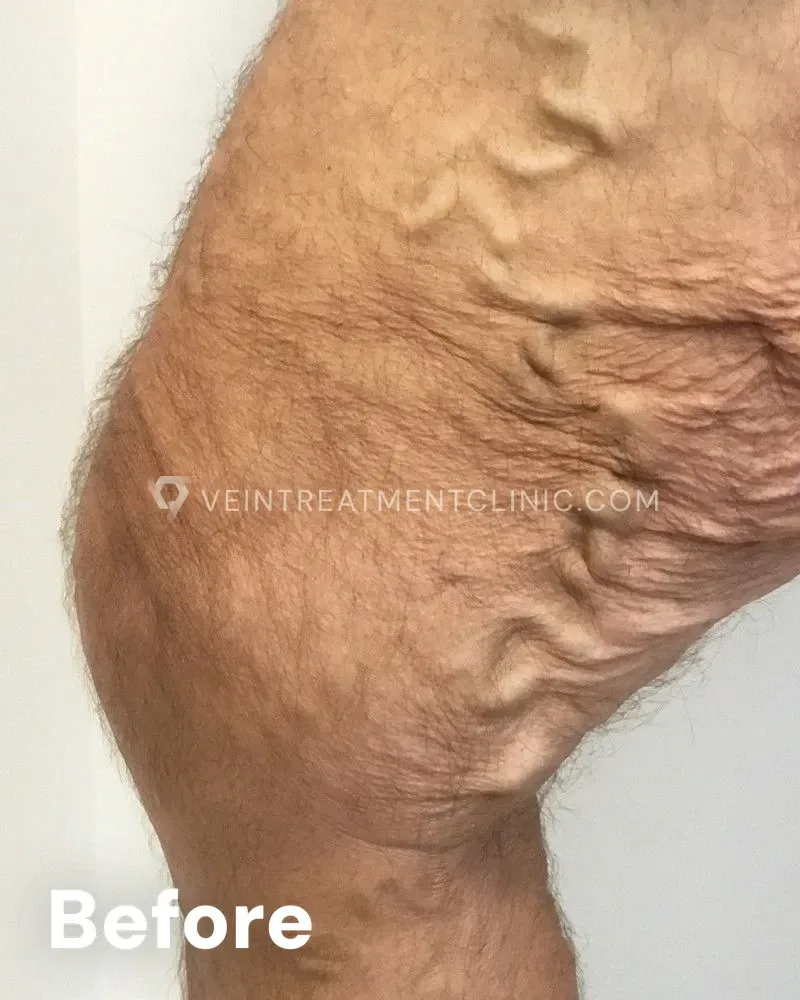
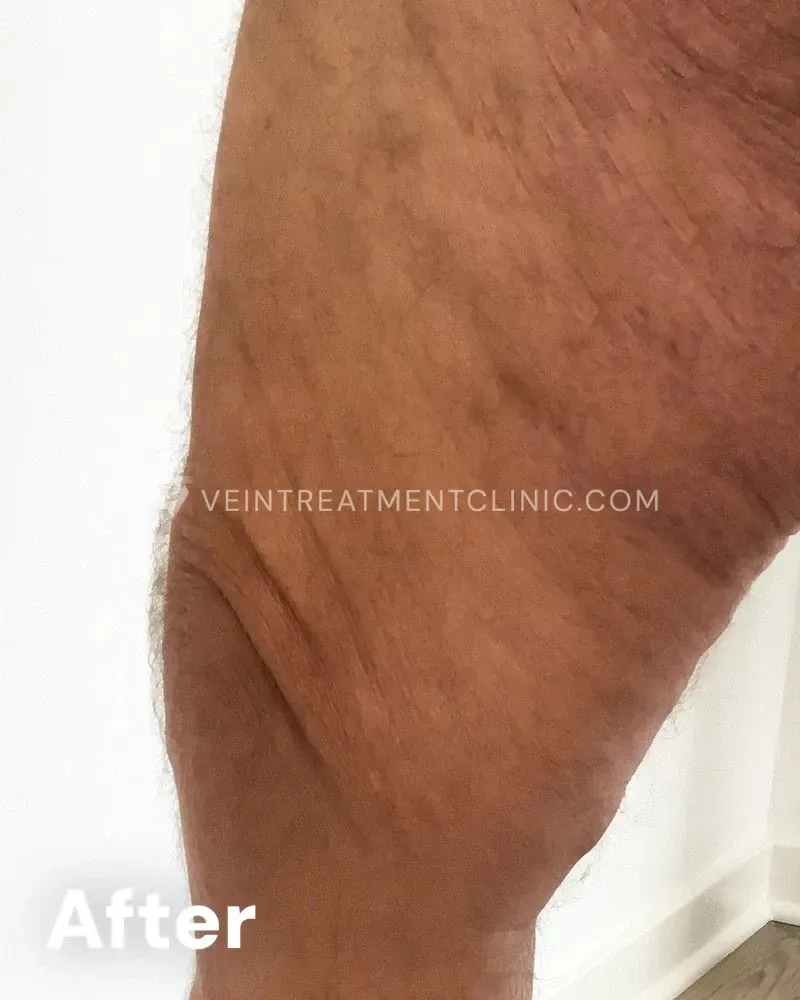
Male, treated for varicose veins on the thighs and knees with VeinVanish™, a customized treatment plan tailored to his condition. The after photo shows the thighs and knees with a smoother-looking appearance.
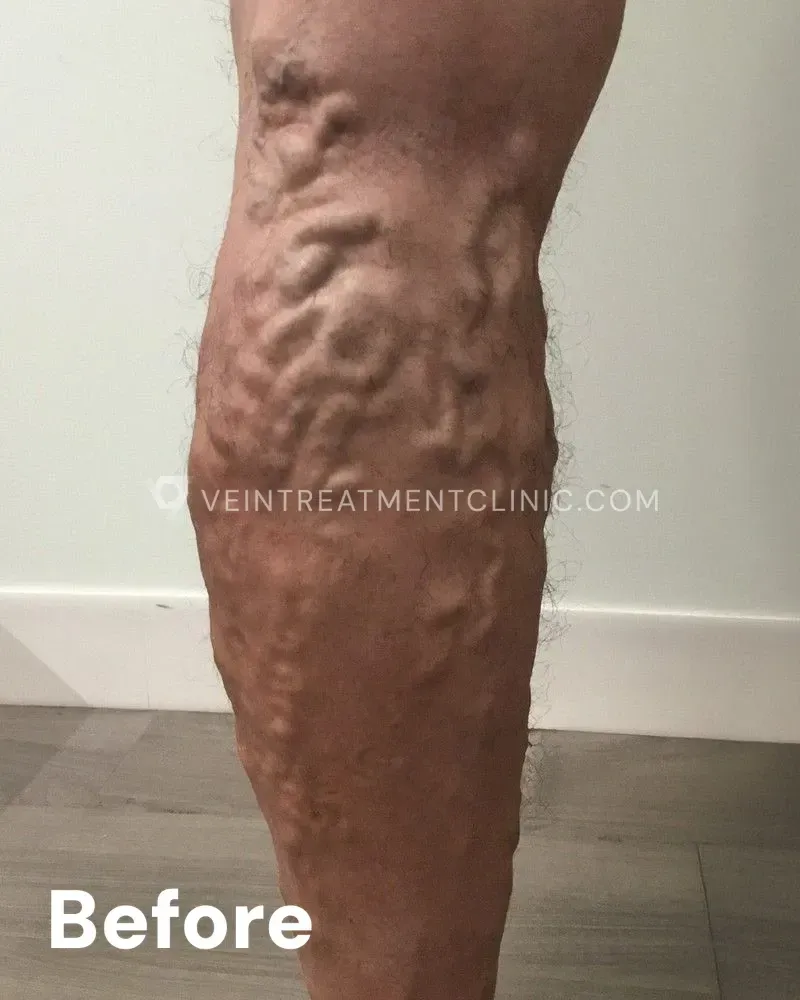
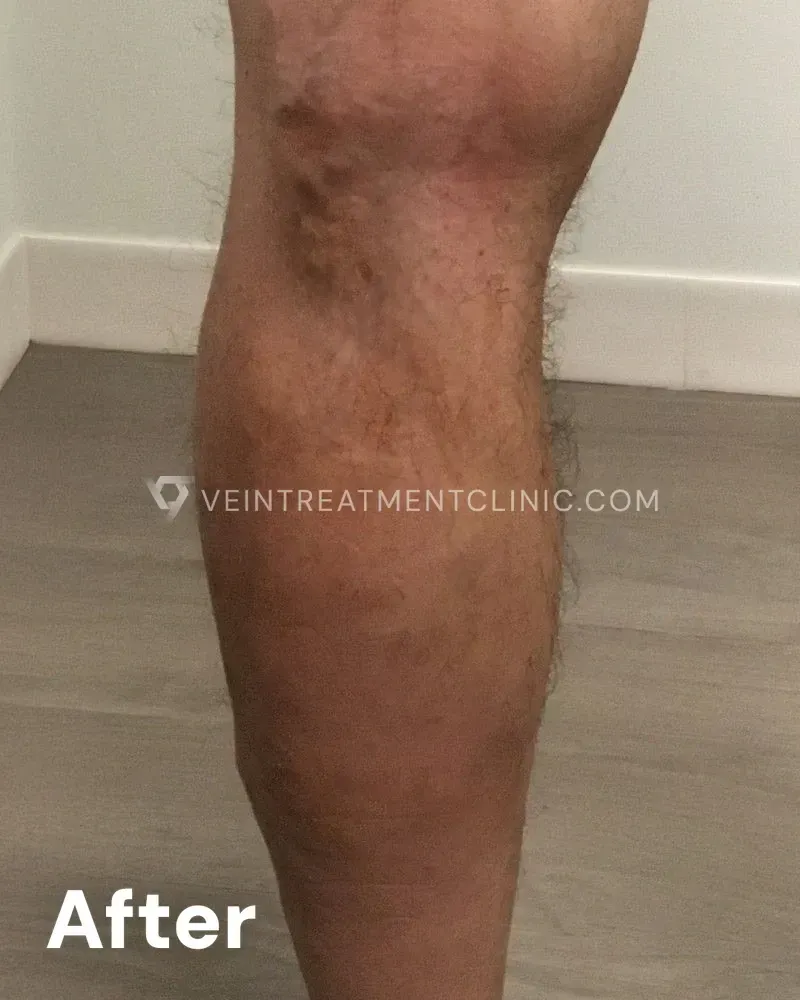
Male, treated for varicose veins on the calves and knees with VeinVanish™, a customized treatment plan tailored to his condition. The after photo shows the affected areas appearing smoother-looking with the varicose veins visibly reduced.
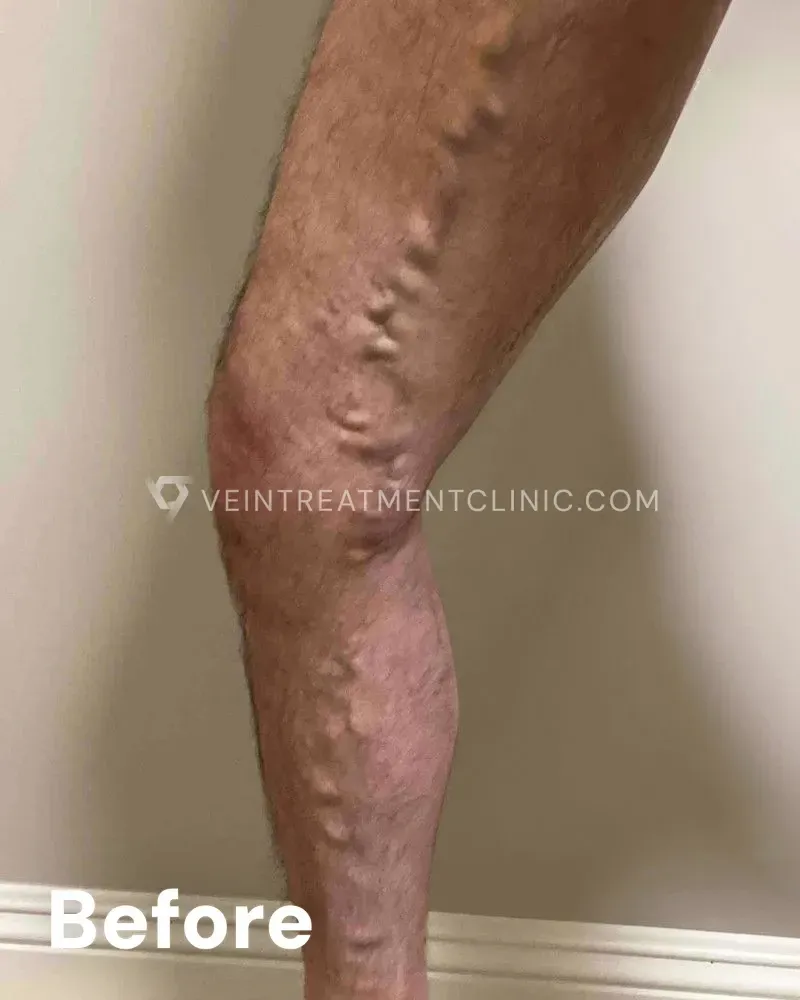
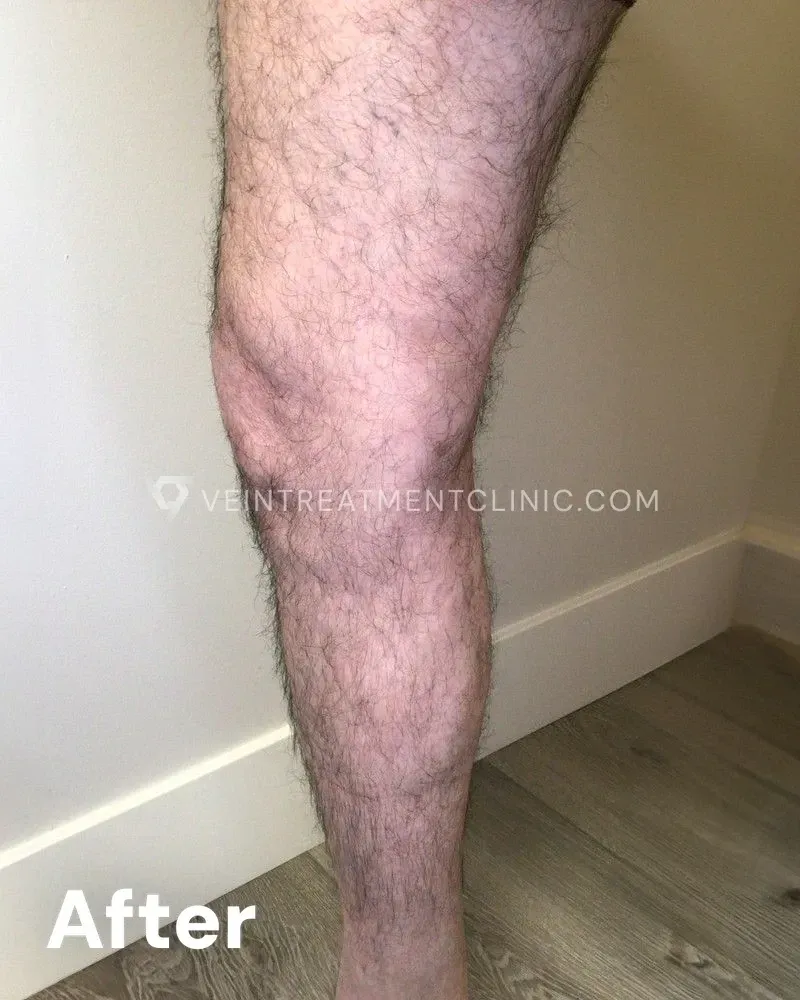
Male, treated for varicose veins on the thighs, calves, and knees with VeinVanish™, a customized treatment plan tailored to his condition. The after photo shows smoother-looking legs with the varicose veins visibly reduced across the treated areas.
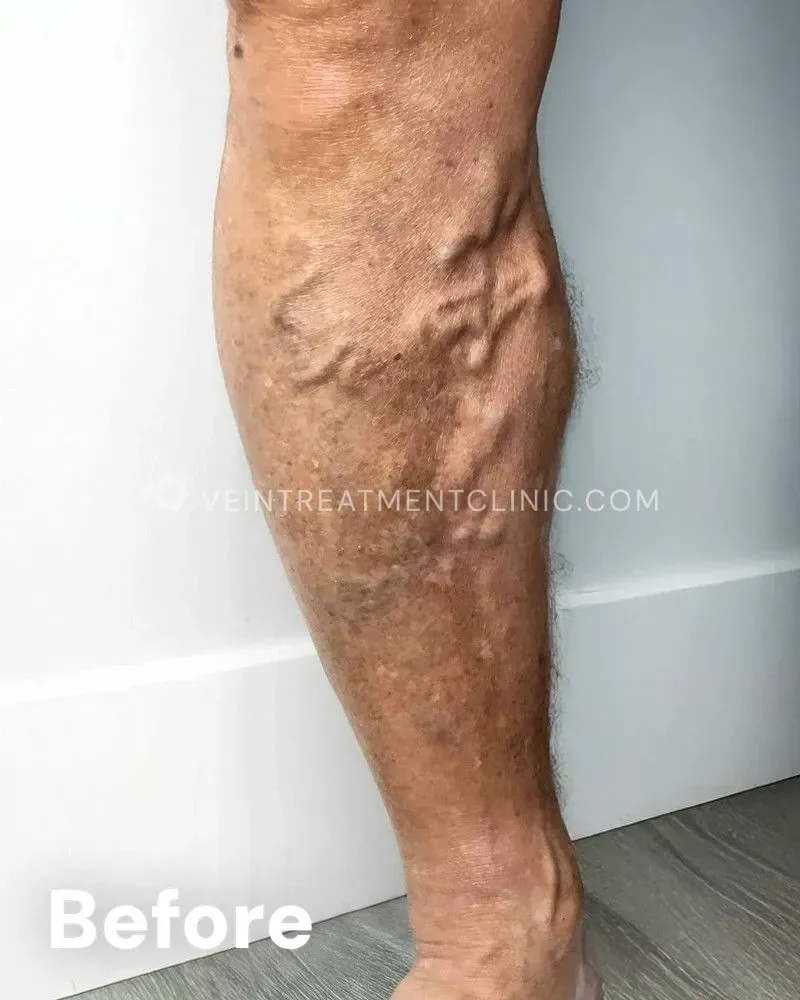
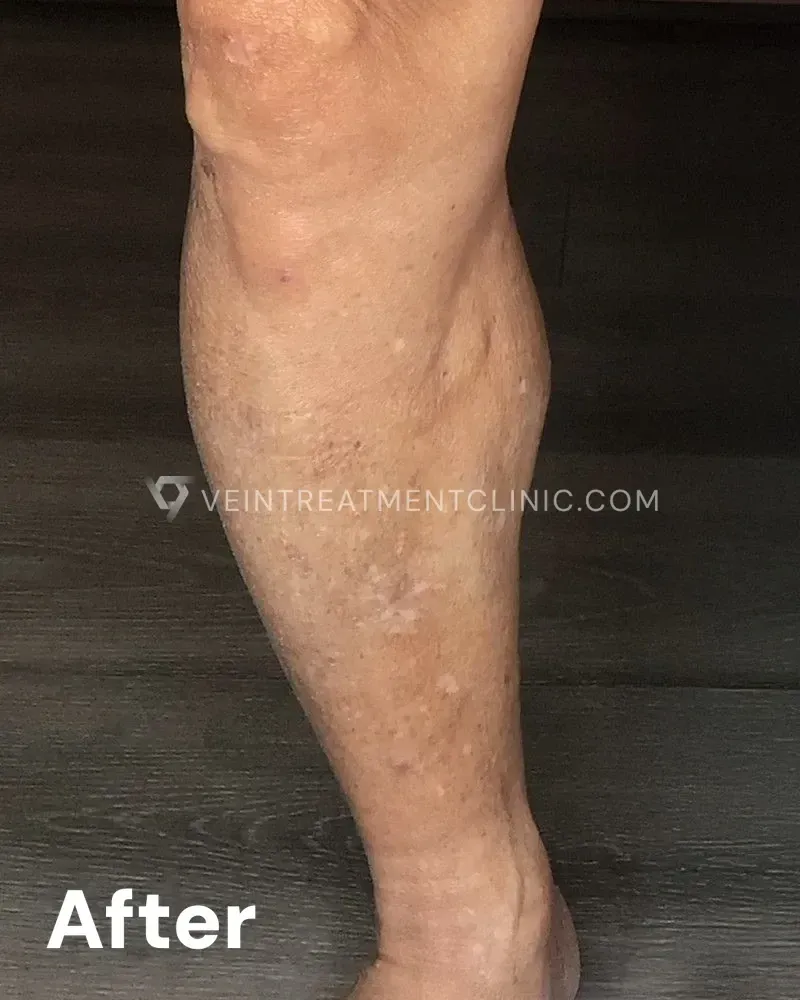
Male, treated for varicose veins on the calves and thighs with VeinVanish™, a customized treatment plan tailored to his condition. The after photo shows the legs appearing smoother-looking with the varicose veins visibly reduced.
Increased risk of infection
Damaged skin and open wounds increase the risk of skin infections.
Recurrent infections can further delay healing and worsen tissue damage.
Reduced mobility and quality of life
Pain, swelling, and skin changes can limit walking, standing, and daily activities.
Over time, untreated CVI can significantly affect comfort, sleep, and overall quality of life.
Is venous insufficiency dangerous?
It can become serious when pressure damages skin and tissue over time.
The bigger risks are progressive swelling, inflammation, infection in broken skin, and slow-healing ulcers near the ankles—not sudden emergency for every mild case.
Why chronic venous insufficiency does not improve on its own?
Valve damage inside the veins does not repair itself.
Without treatment to improve circulation, pressure and tissue damage continue to progress.
How early treatment can change the course?
Treating CVI early can reduce vein pressure, improve circulation, and stabilize symptoms.
Early intervention lowers the risk of skin damage and ulcers.
When untreated CVI should prompt evaluation?
Evaluation is especially important if swelling, skin changes, or pain are worsening.
A vein evaluation can determine whether treatment may prevent further complications.
Get a Peek Inside Your Veins—Book Your Ultrasound Evaluation.