
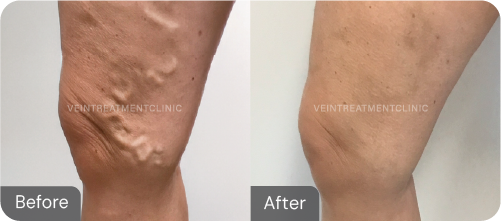
Veins can look more visible because of thin or light skin, low body fat, heat, exercise, hormone changes, or normal changes over time. Visible leg veins that bulge or occur with aching, heaviness, swelling, itching, cramps, or skin changes may point to vein disease. An evaluation is the only way to determine the cause.
Many patients ask why their veins suddenly look blue, green, raised, or easier to see. Where the vein is, how it feels, any symptoms, and whether it settles after heat or exercise all give useful clues. This article focuses mostly on leg veins, because that is where vein disease most often shows up.
What makes veins look more visible?
A visible vein is not always a problem. Veins sit at different depths, and everyday factors change how easily you can see them:
- Skin thickness and tone. Veins may show more clearly through thinner or lighter-toned skin. No skin type is healthier than another.
- Lower body fat or weight loss. Less tissue between the skin and a vein makes it easier to see.
- Exercise. Working muscles need more blood. Surface veins can get wider and stand out during or after hard activity.
- Heat. Warm weather, a hot shower, or exercise can widen vessels near the skin. They often look smaller once your body cools.
- Normal changes over time. Skin can get thinner over time, which may make veins easier to see. New symptoms should never be brushed off as aging.
- Pregnancy and hormonal changes. Changes in blood volume, hormones, and pressure can affect leg veins.
- Prolonged sitting or standing. Staying in one position raises pressure in leg veins and may make a valve problem easier to notice.
- Tight clothing. Clothing that squeezes your legs or waist may make some veins or symptoms stand out for a while.
Notice whether a vein settles after you cool down or stop exercising. A vein that stays large, looks twisted, or comes with leg symptoms deserves a closer look.
Why are visible veins on the legs different?
Leg veins have to push blood back up to the heart against gravity. Small one-way valves inside the veins help keep blood moving upward. Your calf muscles also squeeze the veins when you walk, which helps.
If vein walls stretch or valves weaken, some blood can flow backward and pool. This is called venous reflux, meaning backward blood flow through faulty vein valves. The chain is simple: weak valves lead to backward flow, backward flow raises pressure, and pressure can enlarge surface veins.
Over time, this may lead to varicose veins or chronic venous insufficiency, a condition where leg veins do not move blood back well. Visible veins are only one possible sign. Symptoms and ultrasound results matter more than looks alone.
The visible-veins guide gives more background, but a guide cannot tell you the cause in your own legs.
Is it a visible vein, a spider vein, or a varicose vein?
These terms describe different patterns. They can overlap, and looks alone cannot show whether deeper venous reflux is present.
| Feature | Ordinary visible vein | Spider vein | Varicose vein |
| Typical size | Narrow surface line | Very small branching vessel | Larger enlarged vein |
| Common color | Blue or green | Red, blue, or purple | Blue, green, or skin-colored |
| Texture | Usually flat | Usually flat | May be raised, twisted, or rope-like |
| Symptoms | Often none | Often none, but burning or itching can occur | May ache, throb, itch, burn, or feel tender |
| Common reason | Skin, body composition, heat, or exercise | Enlarged small vessels, sometimes with underlying reflux | Increased pressure related to weak valves and reflux |
| Response to heat or exercise | May become more visible temporarily | Often remains visible | Usually remains enlarged |
| When to get checked | If new, persistent, or associated with symptoms | If symptomatic, changing, bleeding, or concerning to you | If painful, swollen, changing, bleeding, or associated with skin changes |
Learn more about spider veins compared with varicose veins. The difference matters because spider vein treatment and varicose vein treatment target different veins, and an evaluation may find a problem below the surface.
Why are veins visible in my hands, arms, or face?
Veins in the hands and arms may stand out because the skin is thin, there is little fat over them, the muscles are working, or you are warm. Arm veins often pop out during exercise and then settle when you rest.
Face or forehead veins can show more with heat, effort, facial expressions, or naturally thin skin. A new raised vein in one spot can have many causes that looks alone cannot explain.
Visible veins in other areas can still be worth an evaluation, especially if you also notice veins or symptoms in your legs. They may point to vein disease in the legs, and a vein specialist can check the full picture.
When are visible leg veins a sign of vein disease?
Visible leg veins deserve an evaluation when they come with symptoms, change over time, or get in the way of daily life. Signs associated with chronic venous insufficiency symptoms can include:
- Aching, throbbing, or leg heaviness
- Ankle or lower-leg swelling
- Night cramps or restless sensations in the legs
- Itching, burning, or tenderness near a vein
- Symptoms that worsen after prolonged standing or sitting
- Skin discoloration, thickening, dryness, or irritation near the ankle
- A sore near the ankle that is slow to heal
- A vein that becomes increasingly raised, twisted, or painful
You do not need every symptom to have a vein problem. You can also have visible veins without chronic venous insufficiency. A vein specialist evaluation sorts this out using your history, an exam, and imaging when needed.
When is a visible or bulging vein urgent?
Most visible veins are not an emergency, but sudden or severe changes need fast care. Seek emergency care for sudden one-sided leg swelling with pain, warmth or redness, chest pain, shortness of breath, coughing blood, fainting, or another severe sudden symptom.
Bleeding from a surface vein also needs attention. Apply firm, direct pressure and elevate the leg if you can do so safely. Seek urgent medical care if bleeding is heavy, does not stop with pressure, or you feel weak or faint.
A vein that turns hard, red, warm, or very tender should be checked soon. Do not massage a painful, swollen area or try to rule out a clot at home.
How is the cause of visible veins checked?
A vein evaluation starts with questions about when the veins appeared, what makes them better or worse, family history, pregnancies, past clots, medicines, and symptoms. Your vein specialist then looks at your legs for swelling, skin changes, spider veins, and varicose veins.
When signs or symptoms point to vein disease, your vein specialist may order a duplex ultrasound. This painless test shows the veins and measures blood flow. It can map superficial veins, show whether valves close properly, and identify venous reflux.
An ultrasound is not automatic for every visible vein. Your vein specialist decides if you need one. It helps make sure treatment is based on more than what shows on the skin.
What can help visible leg veins?
Moving often, taking walking breaks, and raising your legs while resting may ease discomfort. Compression stockings help some patients, but the right pressure and fit should come from your vein specialist, especially if you have other health conditions.
These steps can ease symptoms, but they do not repair a faulty valve. If an evaluation finds venous reflux, minimally invasive vein treatment may help. Treatment options for varicose and spider veins include sclerotherapy, radiofrequency ablation (RFA), endovenous laser treatment (EVLT), Varithena® foam, VenaSeal, ClariVein, ambulatory phlebectomy, and compression therapy.
Some visible veins only need watching. Others may be treated as part of a larger plan for chronic venous insufficiency. Your vein specialist will recommend the right treatment for you after your evaluation.
Individual results may vary. Outcomes depend on each patient's condition and clinical evaluation.
Get clarity about visible leg veins
Visible veins can reflect normal anatomy, a temporary response to heat or exercise, or an underlying vein condition. The only way to know is a clinical evaluation. Not sure what your visible leg veins mean? Start your evaluation.
Frequently asked questions
Are blue or green veins on the legs normal?
Blue or green veins can be normal when they are flat, stable, and not associated with symptoms. Their color depends on how deep they sit and how light passes through skin, but a new or changing pattern is worth checking.
Do visible veins mean I have poor circulation?
Not always, because seeing a vein does not show how well blood is moving. Symptoms, an exam, and a duplex ultrasound when needed show whether venous reflux or another problem is present.
Can visible leg veins go away on their own?
Veins made prominent by heat or exercise may become less noticeable when the trigger ends, but established varicose veins usually do not resolve on their own. Read more about whether varicose veins can go away.
Does insurance cover an evaluation for visible veins?
Coverage depends on your plan, symptoms, and medical necessity. Most major insurance plans have their own rules, and our team can help verify your benefits before care.