

Table of contents

Get treated by vein treatment industry leaders
What Is Chronic Venous Insufficiency?

Medically verified
Last updated on 1/29/2026

By Dr. Michael Nguyen
Vein Doctor at Vein Treatment Clinic
Harvard Medical School
Board Certified by the American Board of Venous and Lymphatic Medicine
Chronic venous insufficiency (CVI), also known as venous insufficiency, is a form of vein disease in which the veins in the legs cannot move blood efficiently back toward the heart. In simple terms, it means blood is not flowing properly because the vein valves are not working as they should.
Over time, this backward blood flow, also known as venous reflux disease, increases pressure inside the veins and contributes to swelling, skin changes, discomfort, and other symptoms.
In other words, chronic venous insufficiency is a circulation problem in the leg veins caused by valve dysfunction.

Understanding what chronic venous insufficiency is helps patients recognize early warning signs and seek evaluation before complications develop.
If you’re experiencing ongoing leg symptoms and aren’t sure why, a vein evaluation can help determine whether chronic venous insufficiency is the cause.
What causes chronic venous insufficiency?
Chronic venous insufficiency develops when the one-way venous valves inside the leg veins fail to close properly.This valve dysfunction allows blood to flow backward instead of returning efficiently to the heart.
Over time, this persistent backward flow, known as venous reflux, increases pressure in the veins and drives the progression of vein disease in the legs.
How does chronic venous insufficiency affect circulation?
Backward blood flow increases pressure within the veins, stretching vein walls over time.
This pressure affects surrounding tissues and leads to swelling, skin changes, and visible veins.
Understand Your Veins – See How Your Flow Changes
What are common venous insufficiency symptoms?
Common venous insufficiency symptoms in the legs include swelling, heaviness, aching, fatigue, itching, and skin discoloration near the ankles.
Symptoms often worsen later in the day and improve with leg elevation.
Does This Sound Like You? Check Your Symptoms
Symptom Checker
How is chronic venous insufficiency related to varicose veins?
Chronic venous insufficiency and varicose veins often appear together because both stem from valve failure. Venous reflux and varicose veins are linked when backward flow stretches veins until they become visible.
The Connection: See How One Condition Leads to Another
Can chronic venous insufficiency get worse over time?
Yes. Chronic venous insufficiency is a progressive condition if left untreated.
Over time, symptoms may worsen and skin changes or ulcers can develop.
What skin changes are associated with chronic venous insufficiency?
Skin changes may include darkening, thickening, dryness, itching, or a tight, leathery appearance near the ankles.
These changes indicate long-standing vein pressure and should be evaluated.
Beyond Looks – See if Your Veins Impact Your Health
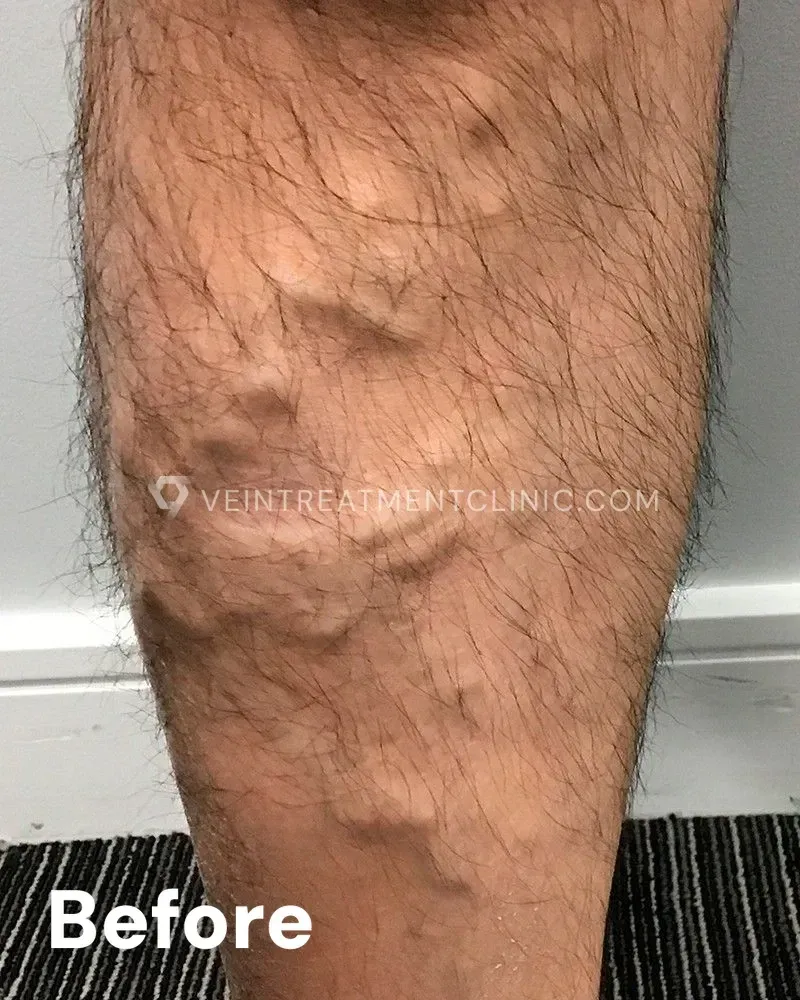
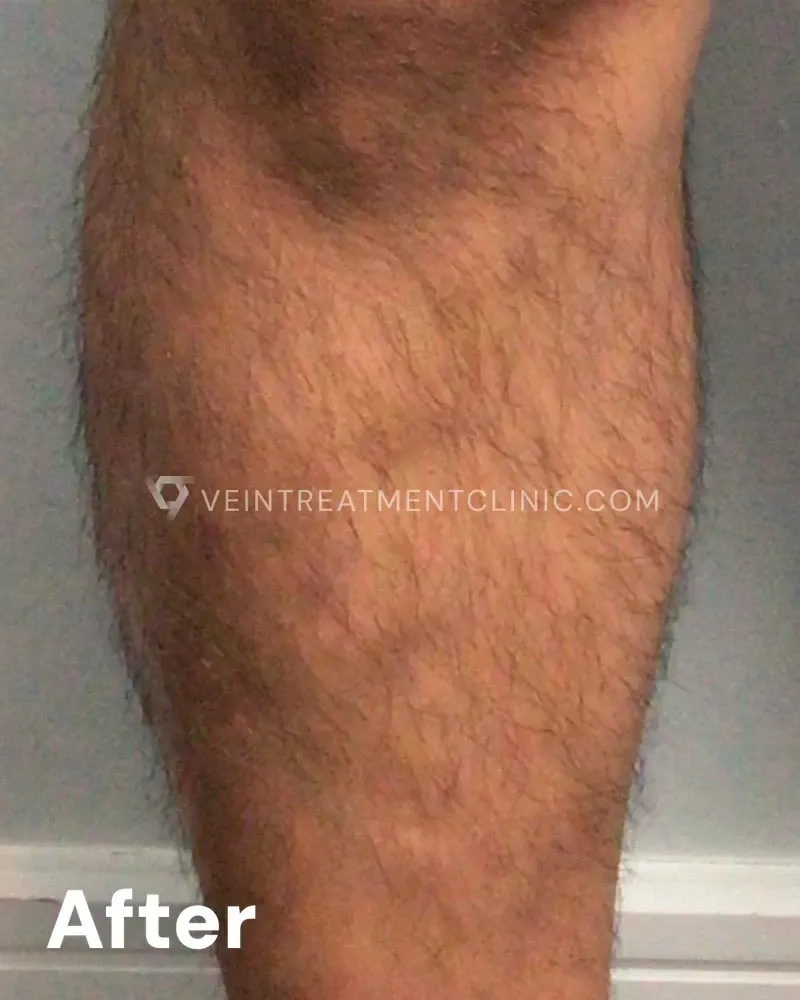
Male, treated for varicose veins on the calves with VeinVanish™, a customized treatment plan tailored to his condition. The after photo shows the treated areas appearing smoother with the varicose veins visibly reduced.
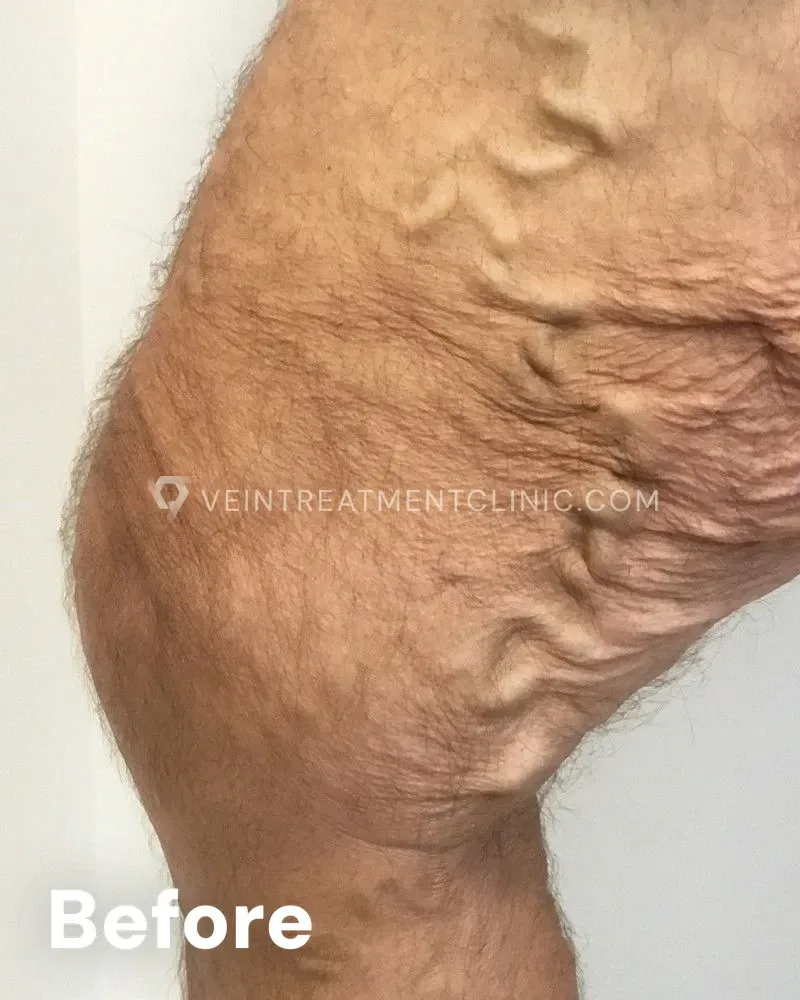
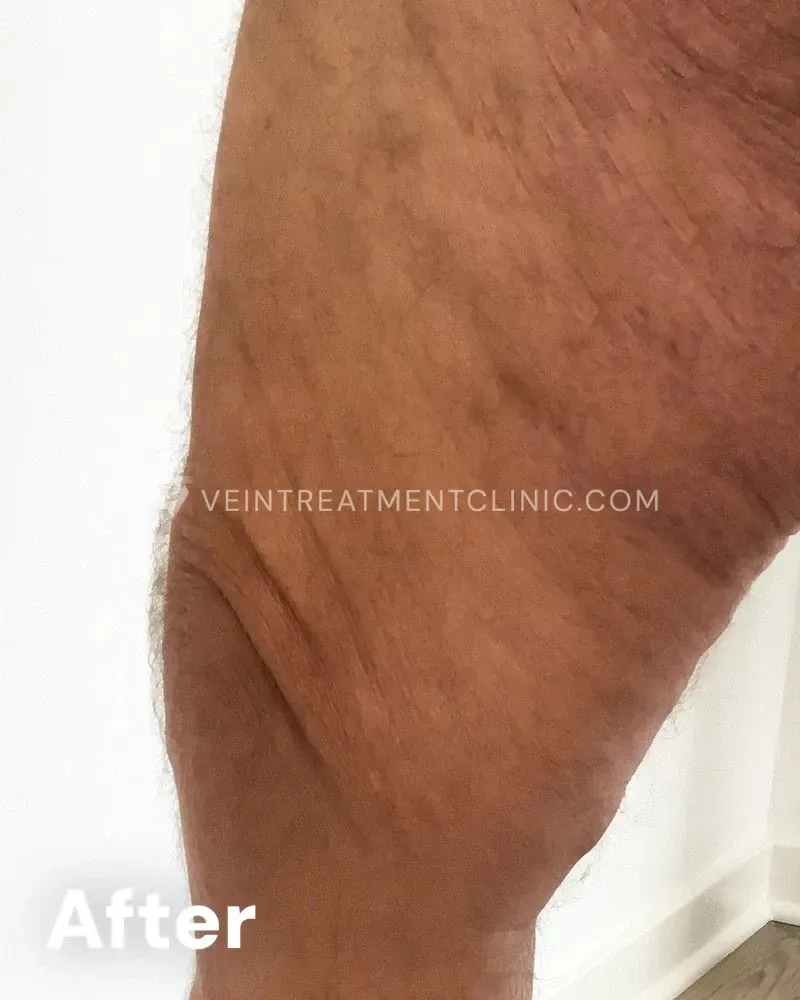
Male, treated for varicose veins on the thighs and knees with VeinVanish™, a customized treatment plan tailored to his condition. The after photo shows the thighs and knees with a smoother-looking appearance.
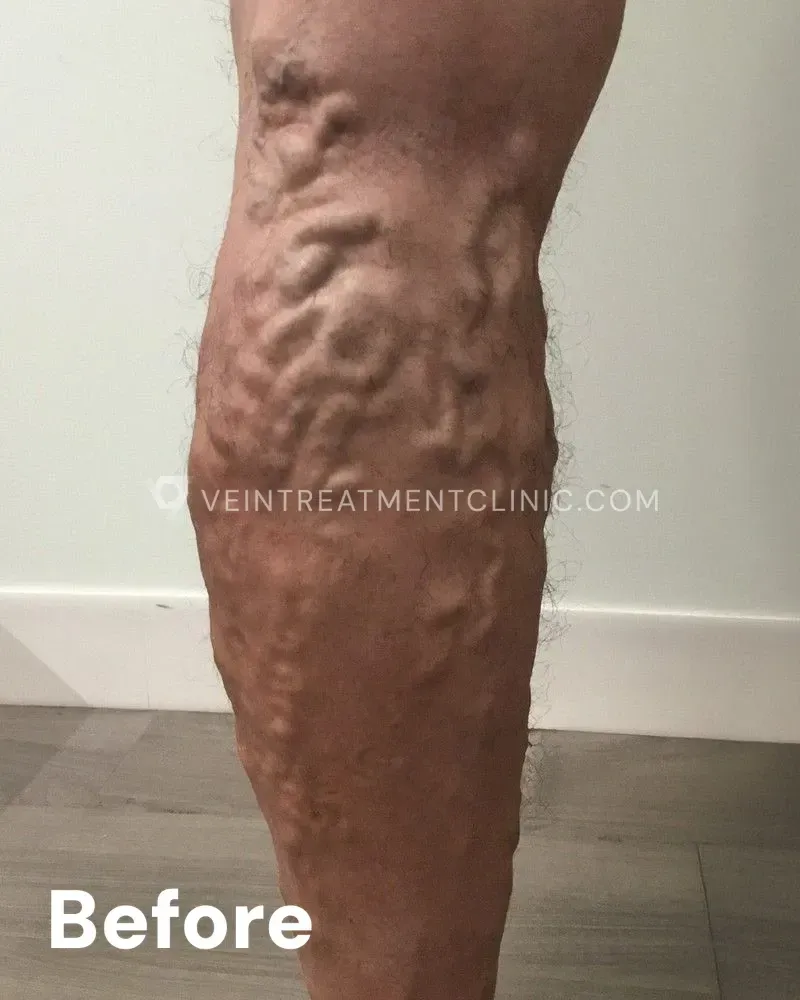
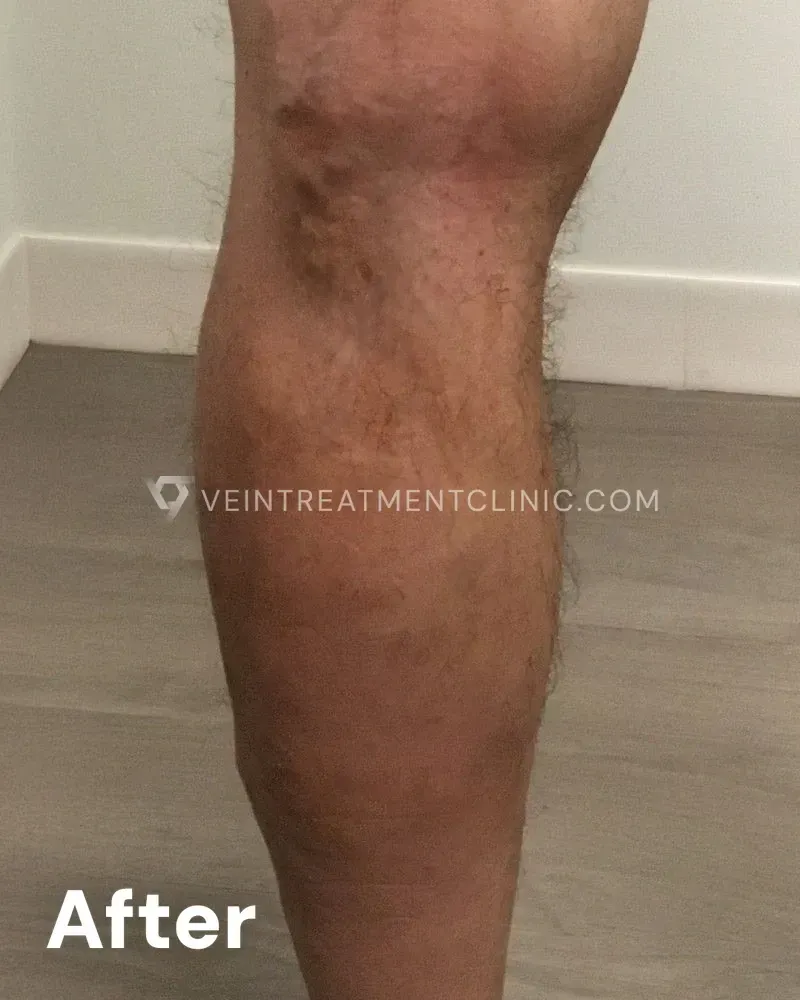
Male, treated for varicose veins on the calves and knees with VeinVanish™, a customized treatment plan tailored to his condition. The after photo shows the affected areas appearing smoother-looking with the varicose veins visibly reduced.
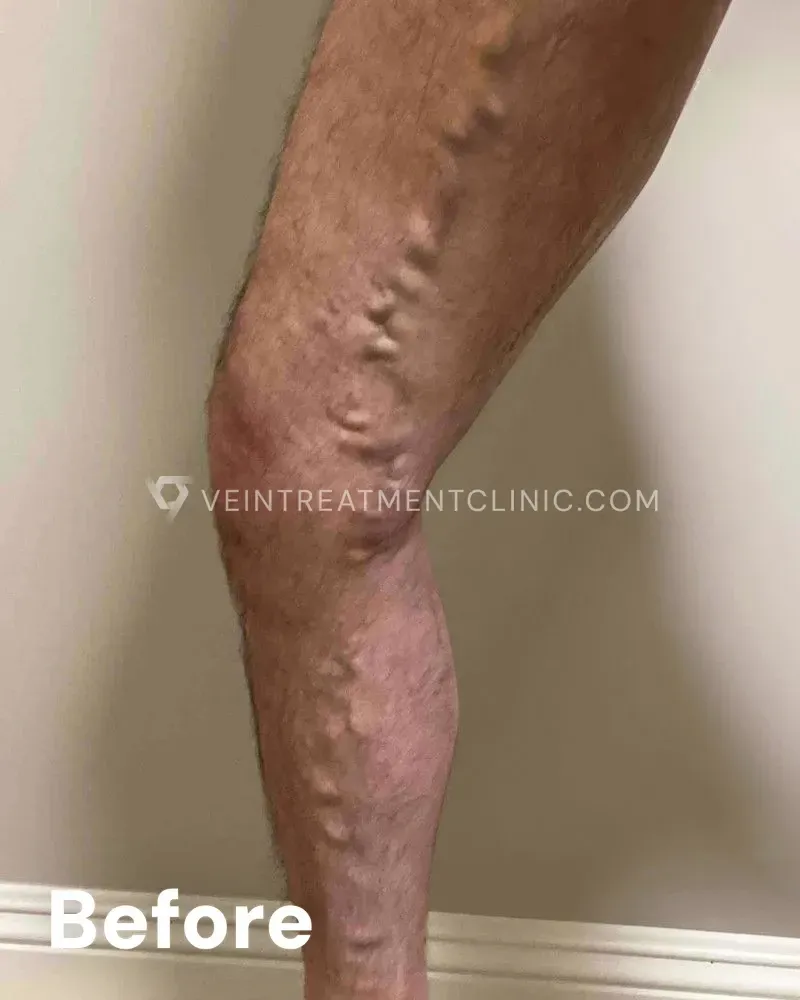
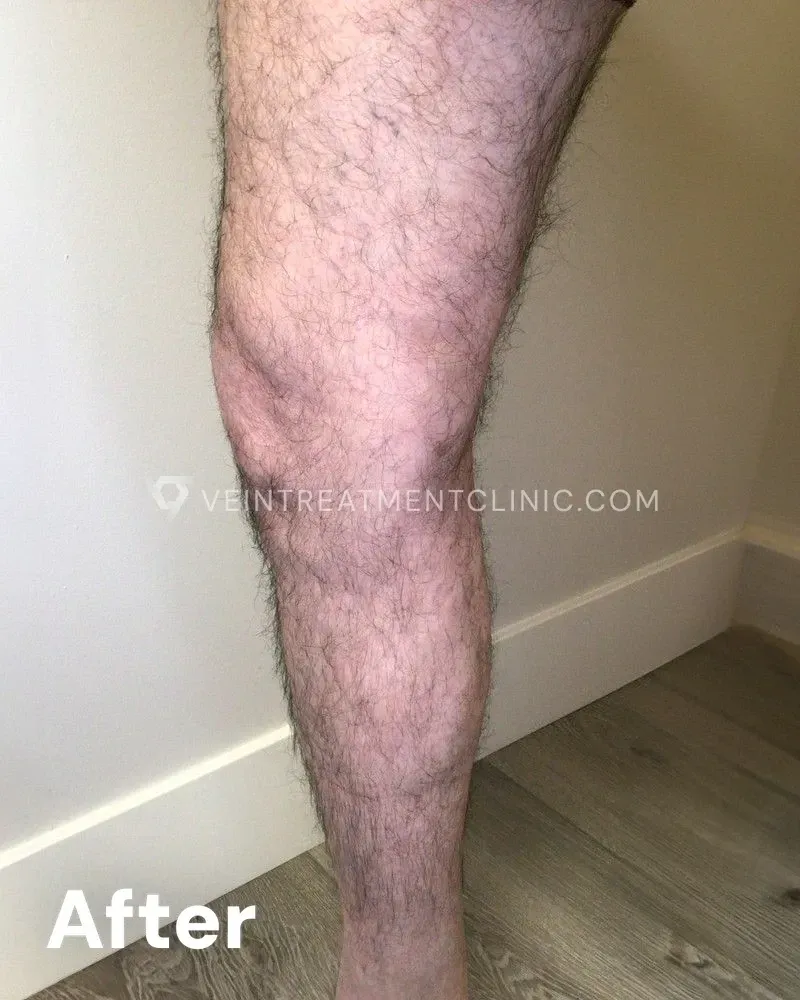
Male, treated for varicose veins on the thighs, calves, and knees with VeinVanish™, a customized treatment plan tailored to his condition. The after photo shows smoother-looking legs with the varicose veins visibly reduced across the treated areas.
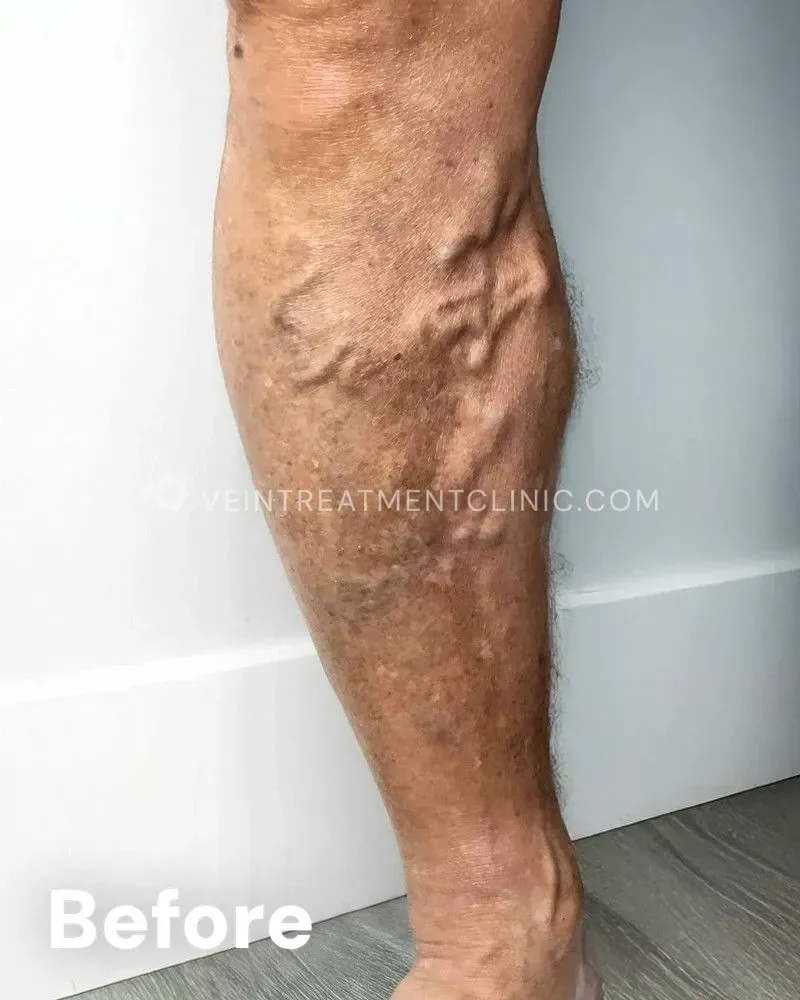
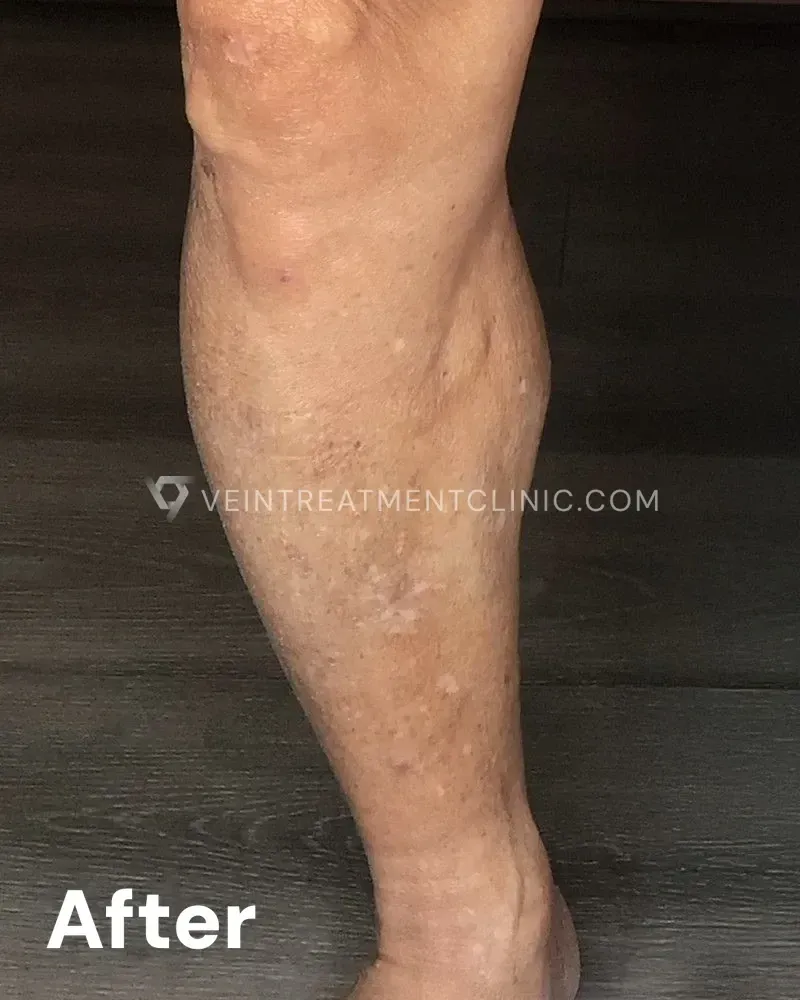
Male, treated for varicose veins on the calves and thighs with VeinVanish™, a customized treatment plan tailored to his condition. The after photo shows the legs appearing smoother-looking with the varicose veins visibly reduced.
How is chronic venous insufficiency diagnosed?
Diagnosis typically involves a physical exam and vein ultrasound to assess blood flow and valve function.
Ultrasound identifies venous reflux and helps guide treatment planning.
Get a Peek Inside Your Veins—Book Your Ultrasound Evaluation.
How is chronic venous insufficiency treated?
Treatment focuses on improving blood flow by addressing malfunctioning veins.
Modern treatment options are usually non-surgical and tailored to the severity of disease.
What happens if chronic venous insufficiency is left untreated?
Untreated CVI can lead to worsening swelling, skin damage, inflammation, and venous ulcers.
Early evaluation and treatment can reduce the risk of complications.